An Illustrated Guide to El Niño Prep
Heather Langley is a Los Angeles-based storyboard director, writer, and illustrator dedicated to telling authentic human stories with humor and heart.Zoe Mendelson is the author of Pussypedia: A Comprehensive Guide, currently writing essays about How to Have Fun in the Apocalypse.
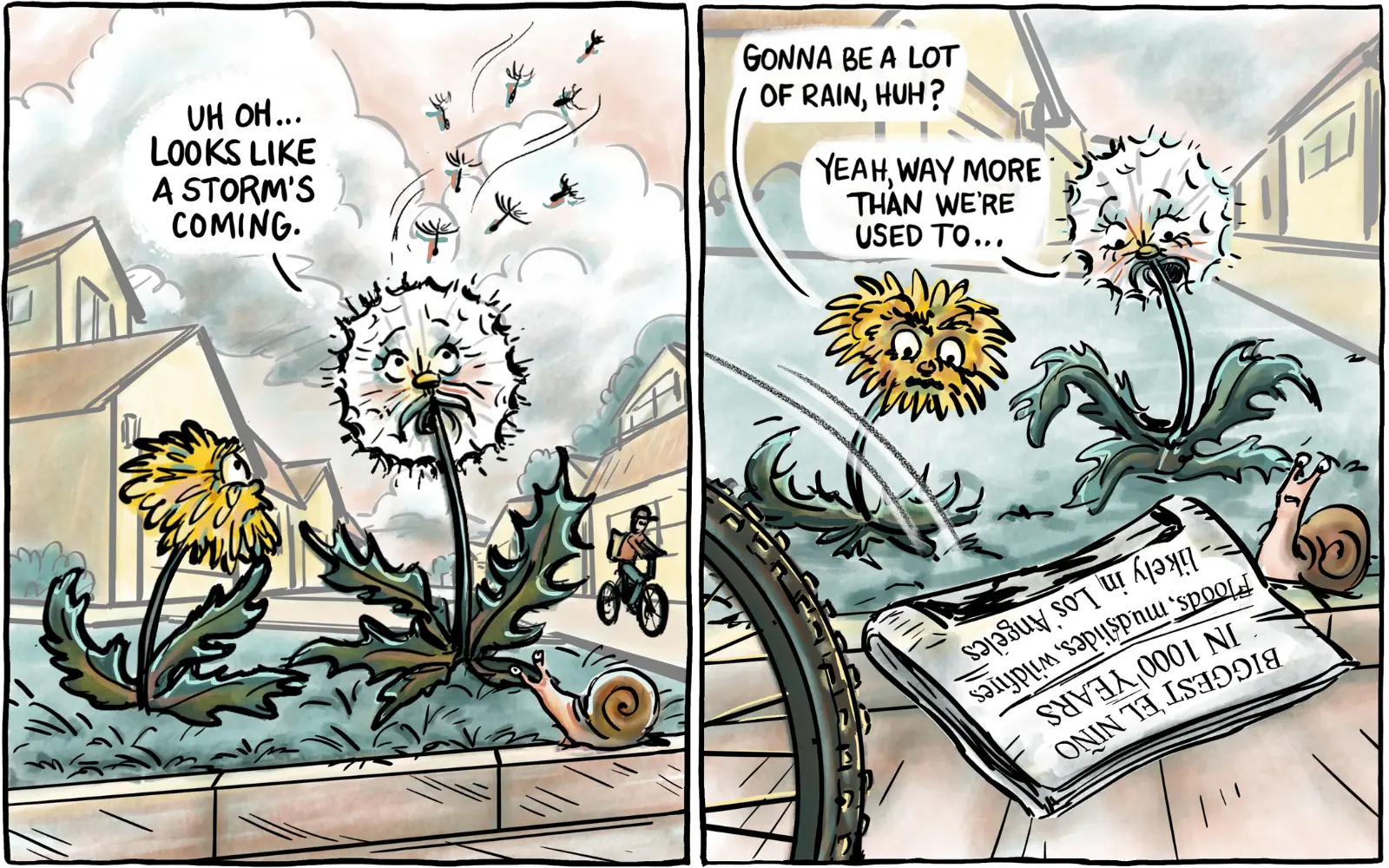
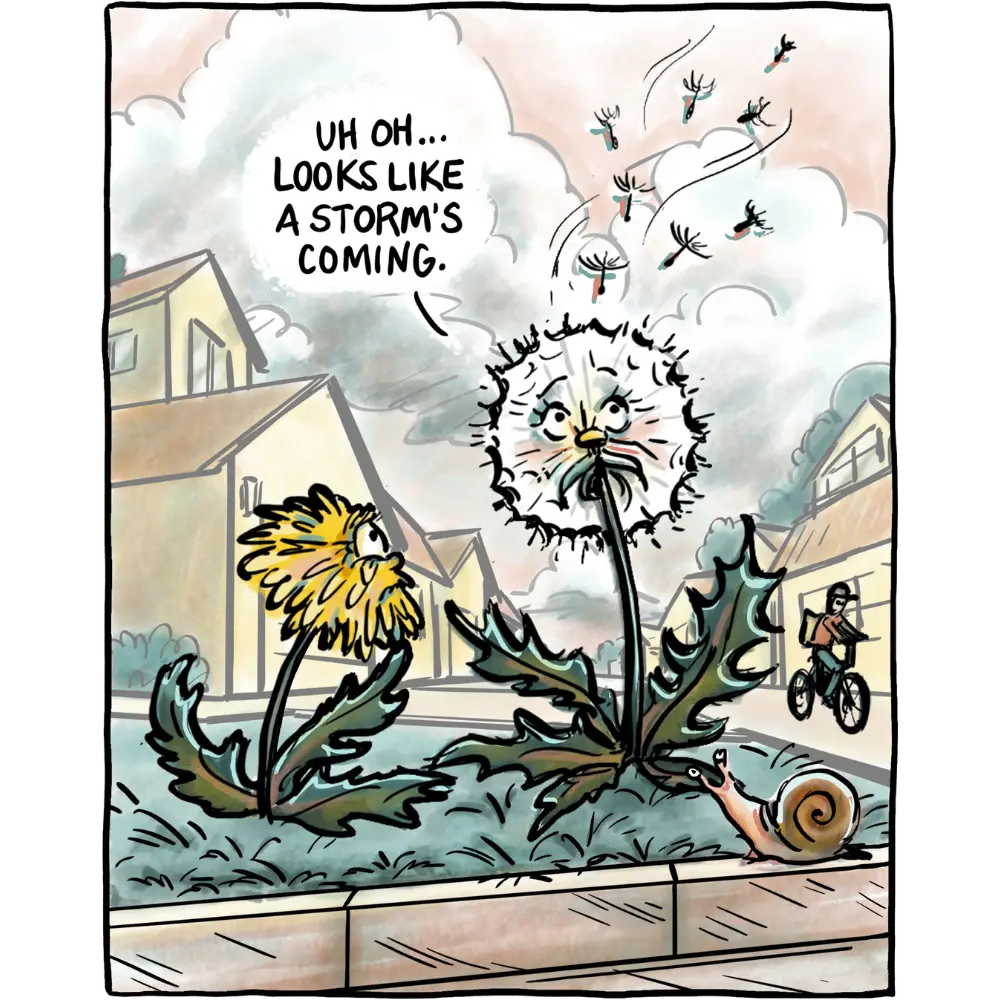
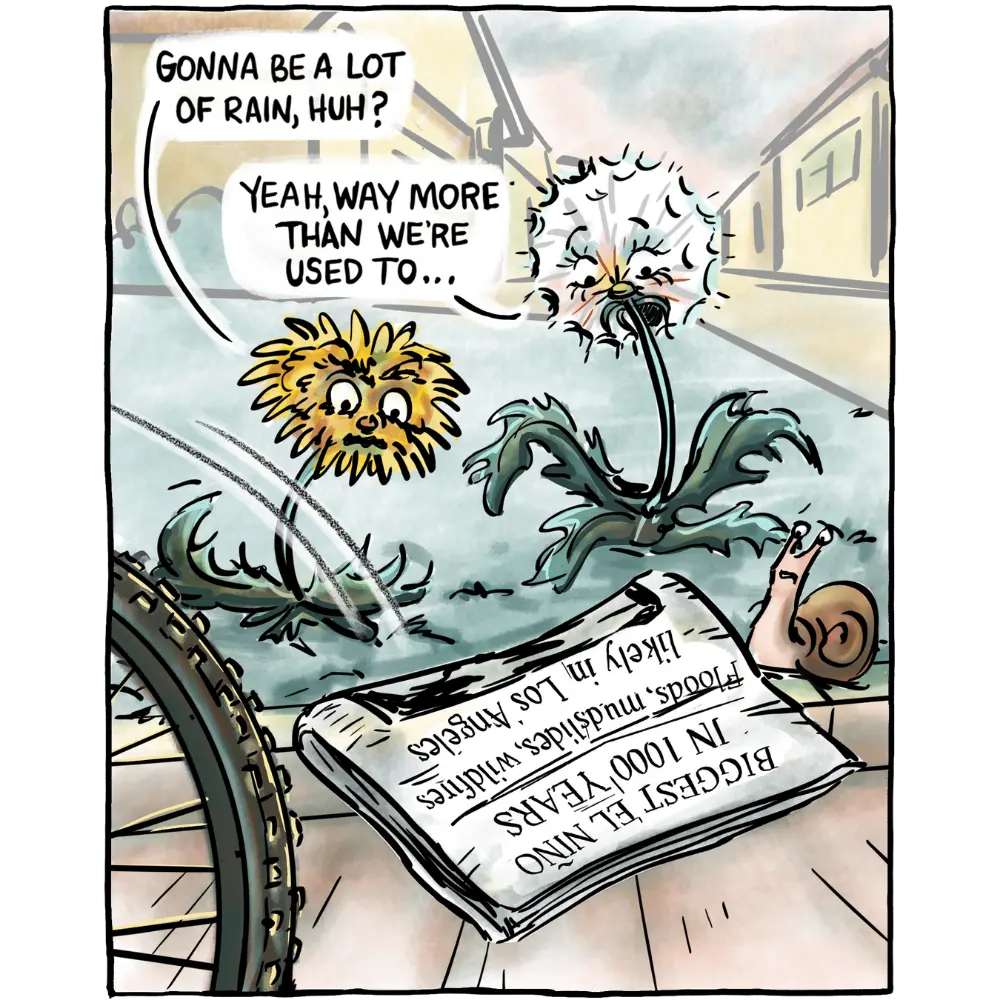
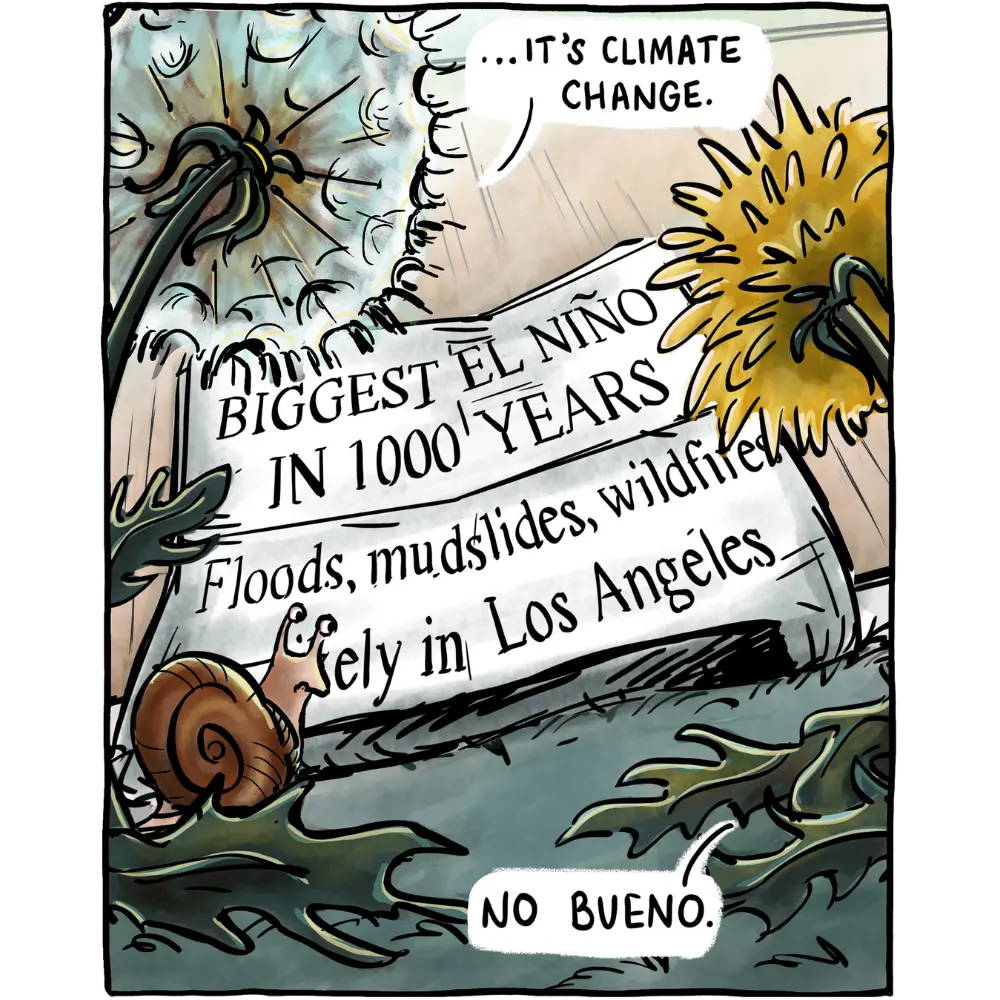
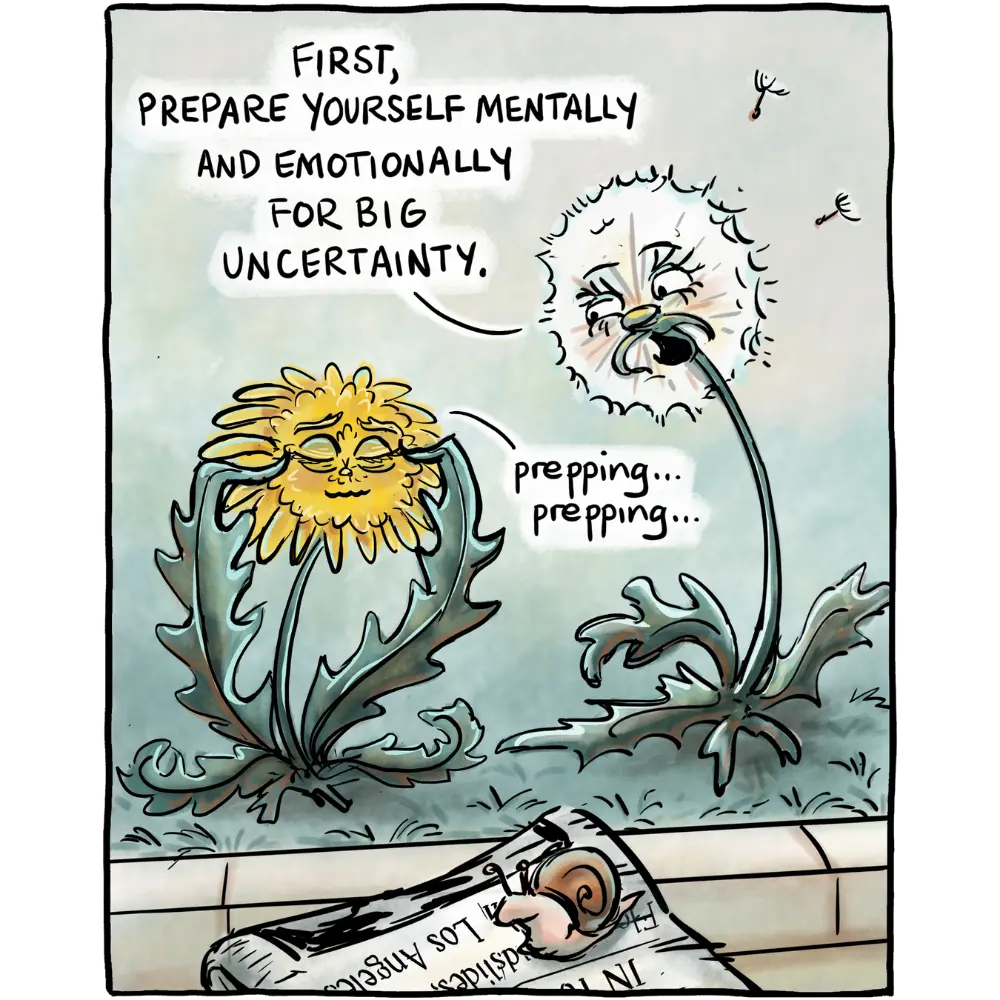
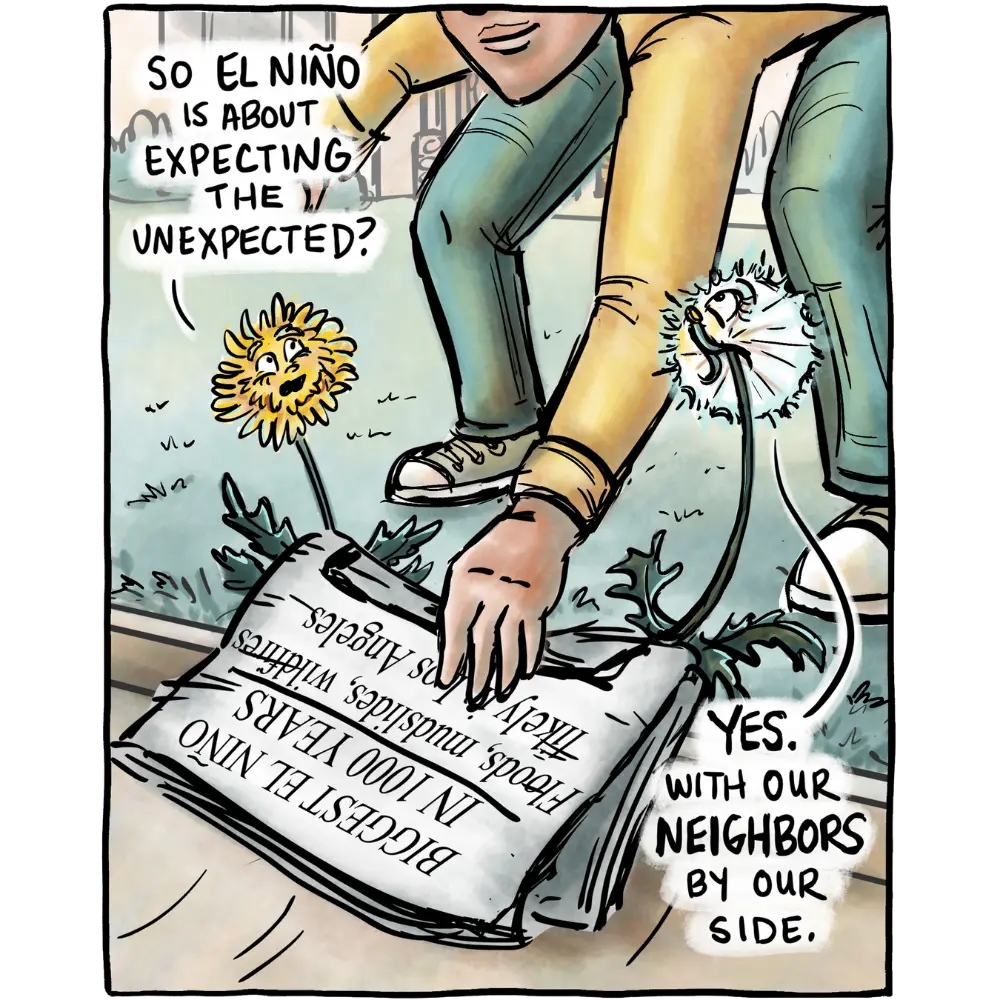
Every two to seven years, El Niño drives temperatures in the Pacific Ocean up and causes extreme weather and destruction the world over: droughts and wildfires in Southeast Asia and Australia, typhoons in China, floods in South America and East Africa. In Los Angeles, El Niño looks like lots and lots of rain. This year, likely supercharged by climate change, El Niño is predicted to be the biggest in at least a thousand years.
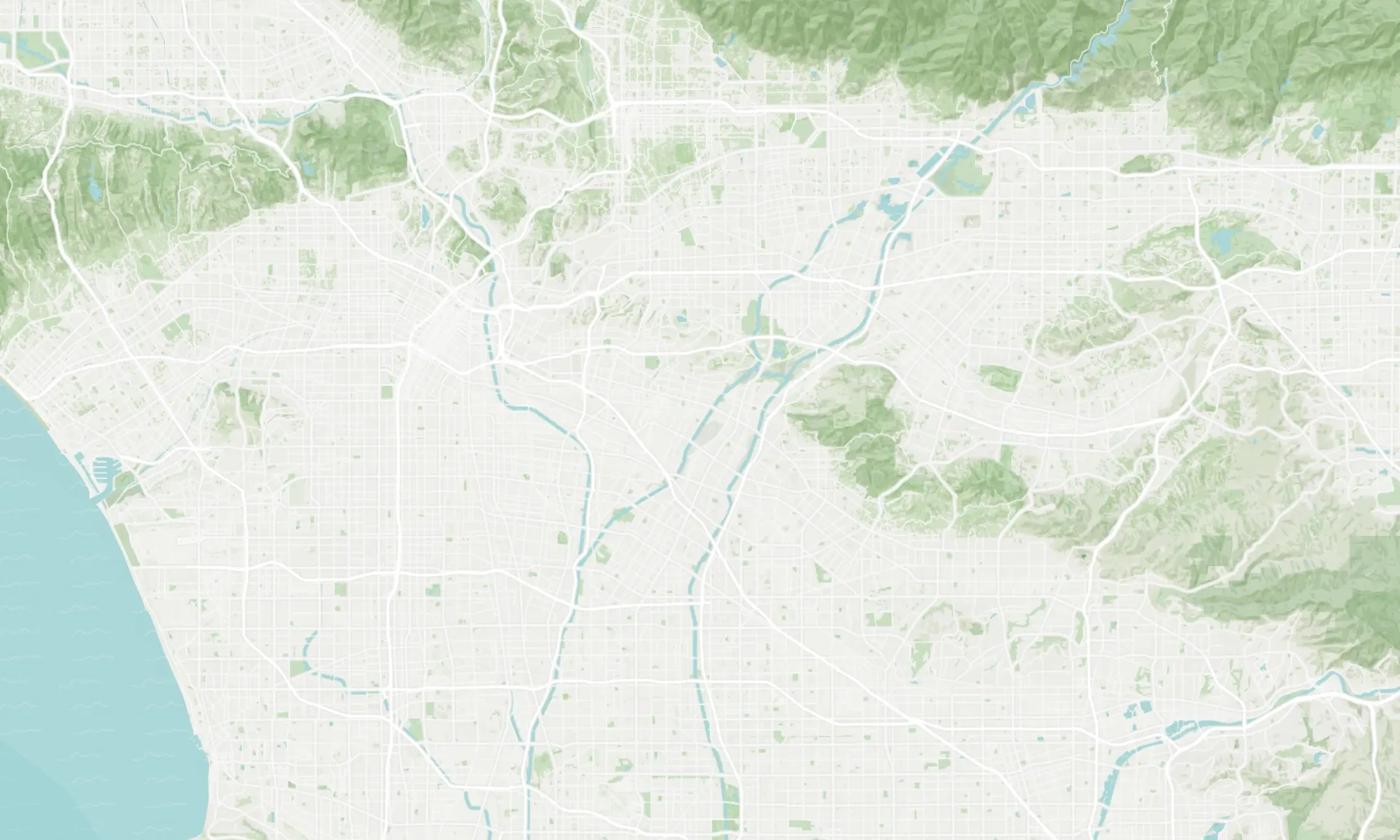
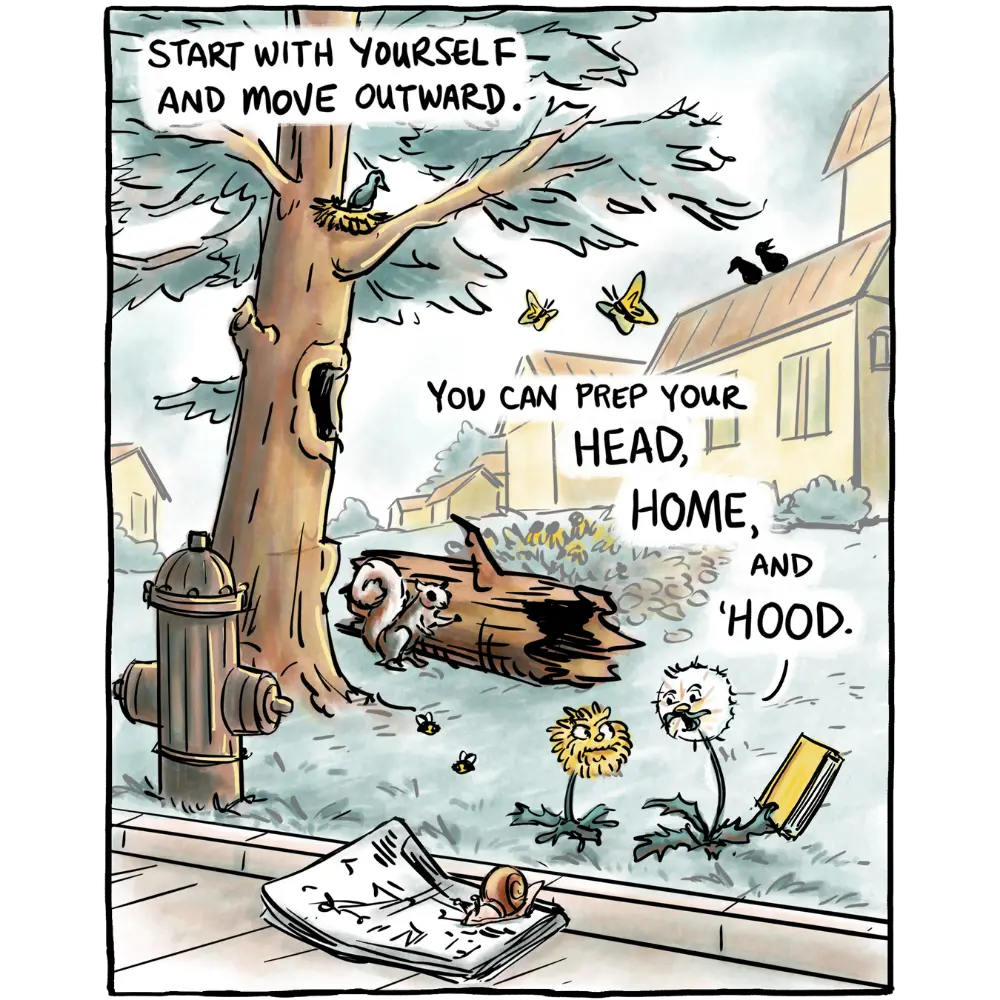
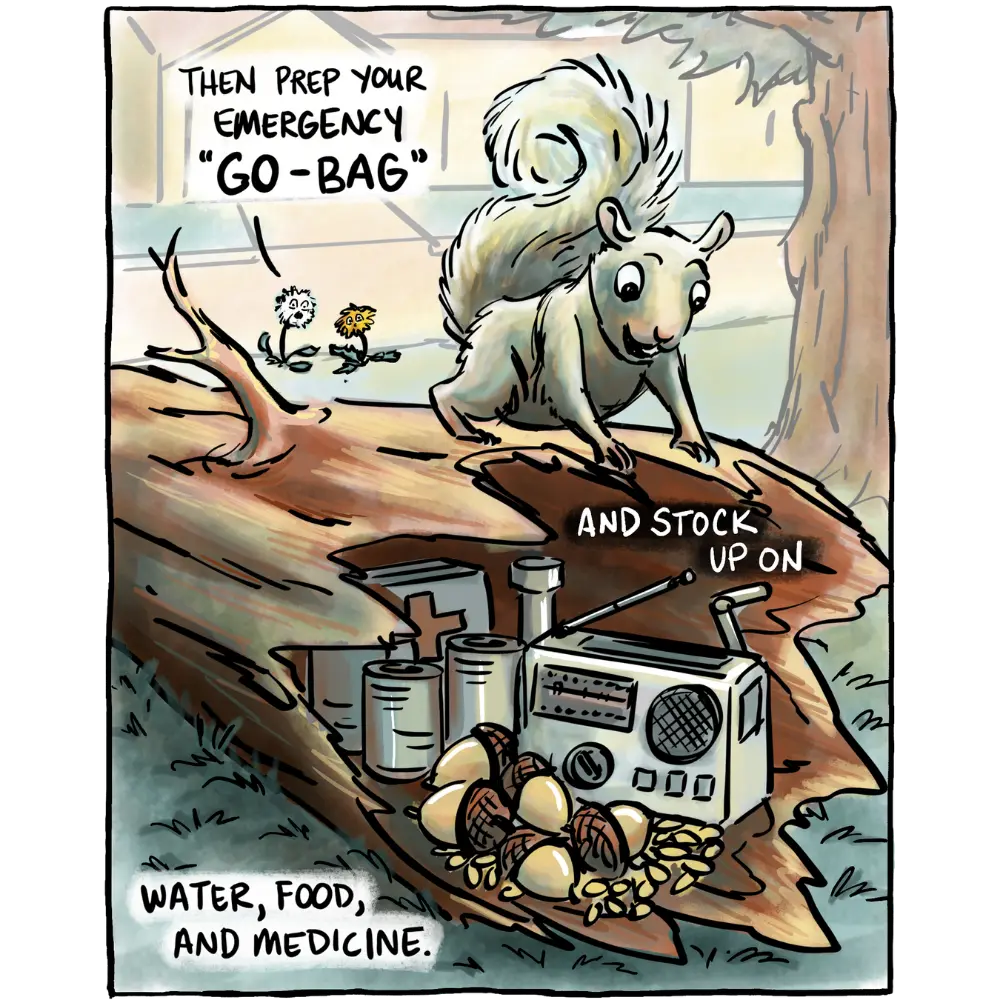
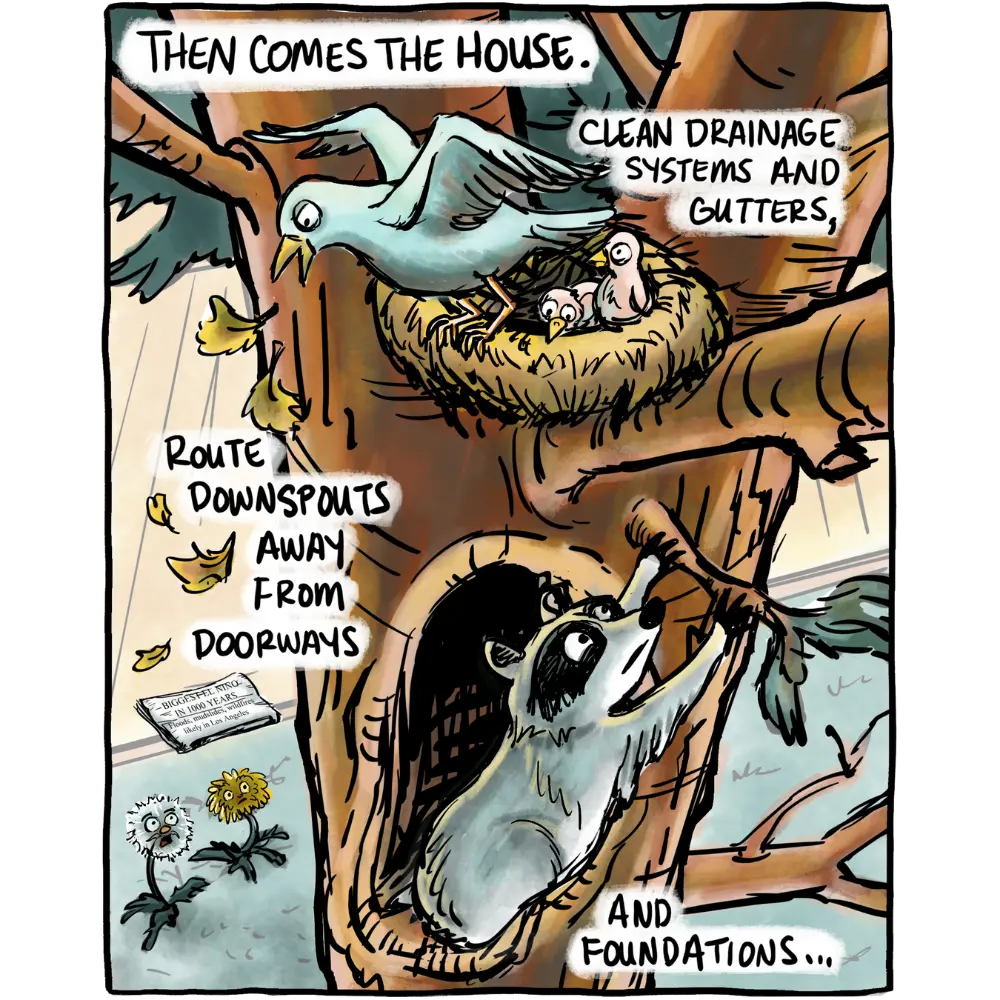
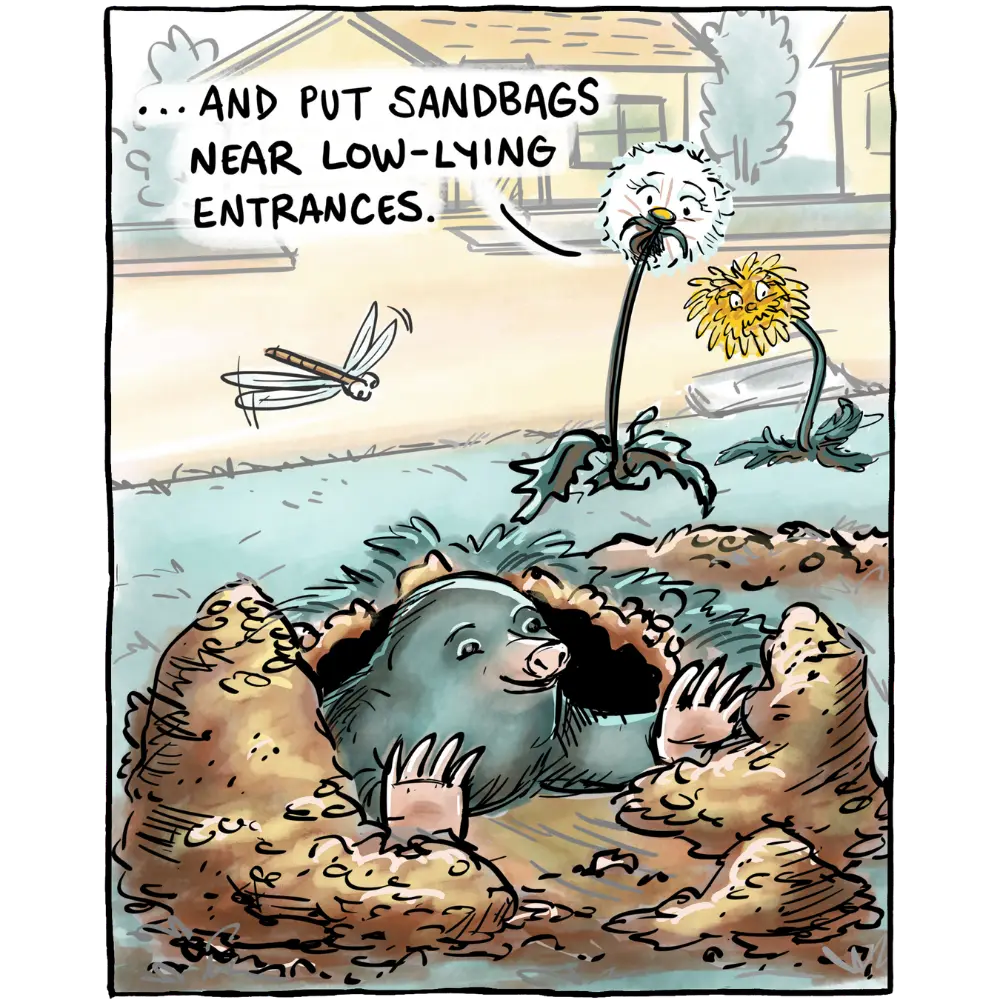
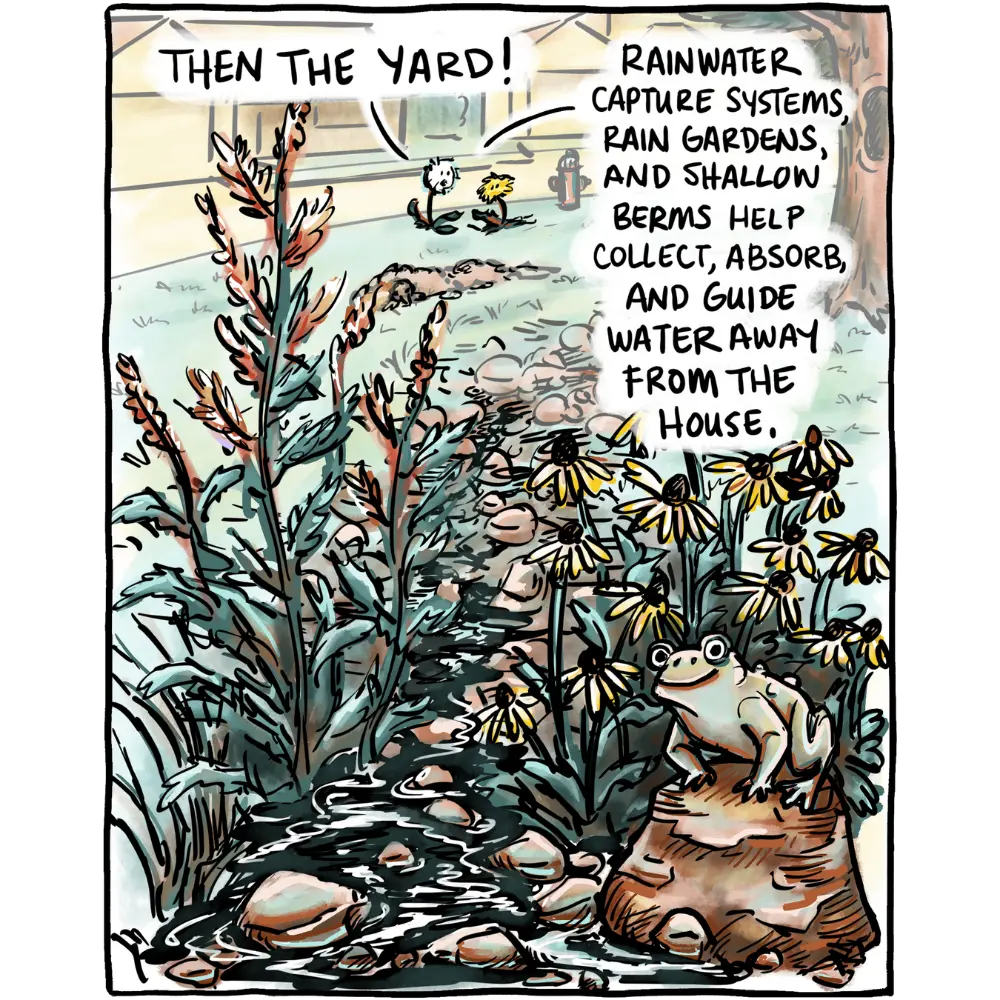
L.A.’s forecast is floods and mudslides, particularly in recently burned areas. Extra rain can also encourage vegetation growth, creating more fuel for future fires. People—especially those living in coastal or flood-prone zones—must prepare themselves, their homes, and their neighborhoods. (You can use the Living Infrastructure Field Kit’s Visioning Tool to check your neighborhood’s flood risk here.)
We can also think more collectively, more long-term, and more regionally. Where there’s less concrete, there’s less flood risk. We can protect all of Los Angeles by supporting existing floodplain restoration projects, building multi-benefit stormwater capture infrastructure, and depaving excess concrete and asphalt lots.
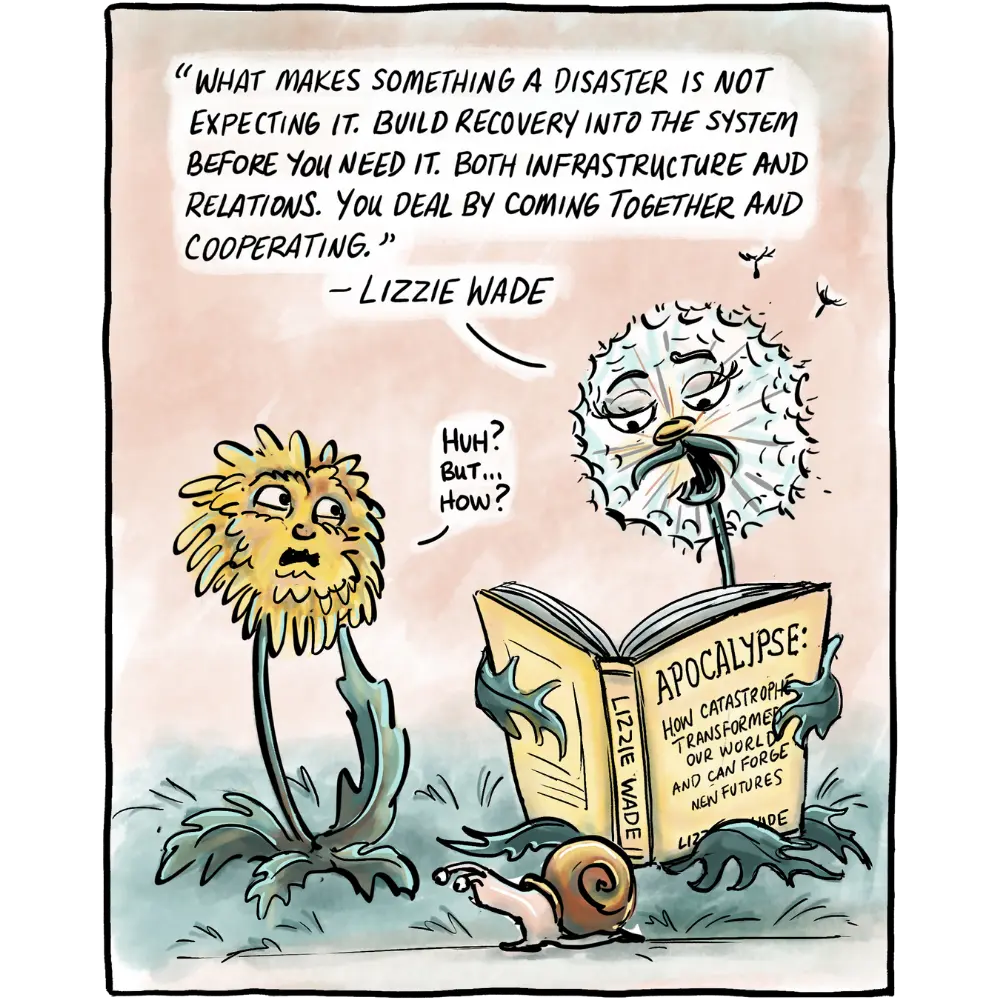
In her book, Apocalypse: How Catastrophe Transformed Our World and Can Forge New Futures, author Lizzie Wade traces back through the archaeological record to the first people to experience El Niño in ancient Peru, where the fertile river valleys they lived in flooded and turned into temporary wetlands.
“There was a moment when it started,” she says, “and they experienced a betrayal by their surroundings, a reversal in the environment. We’re not alone in that sense of dislocation, of what we now call eco-grief.”
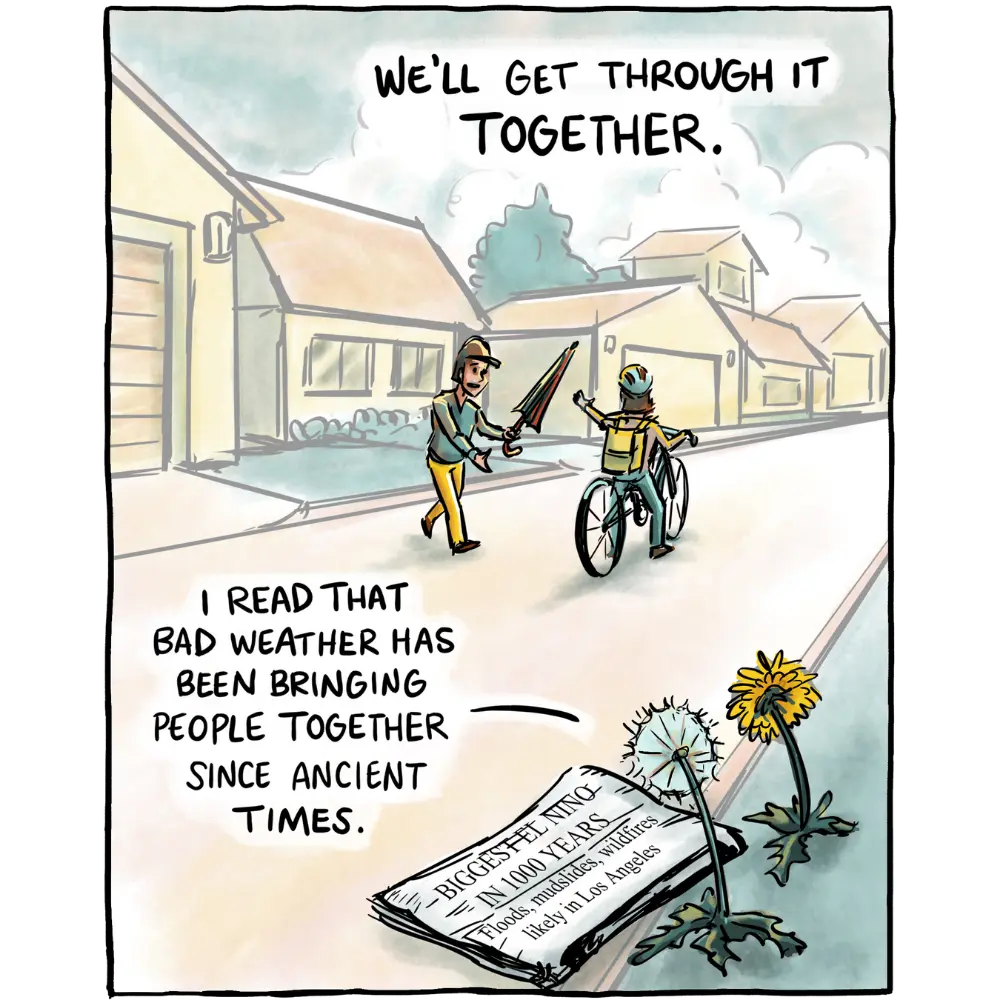
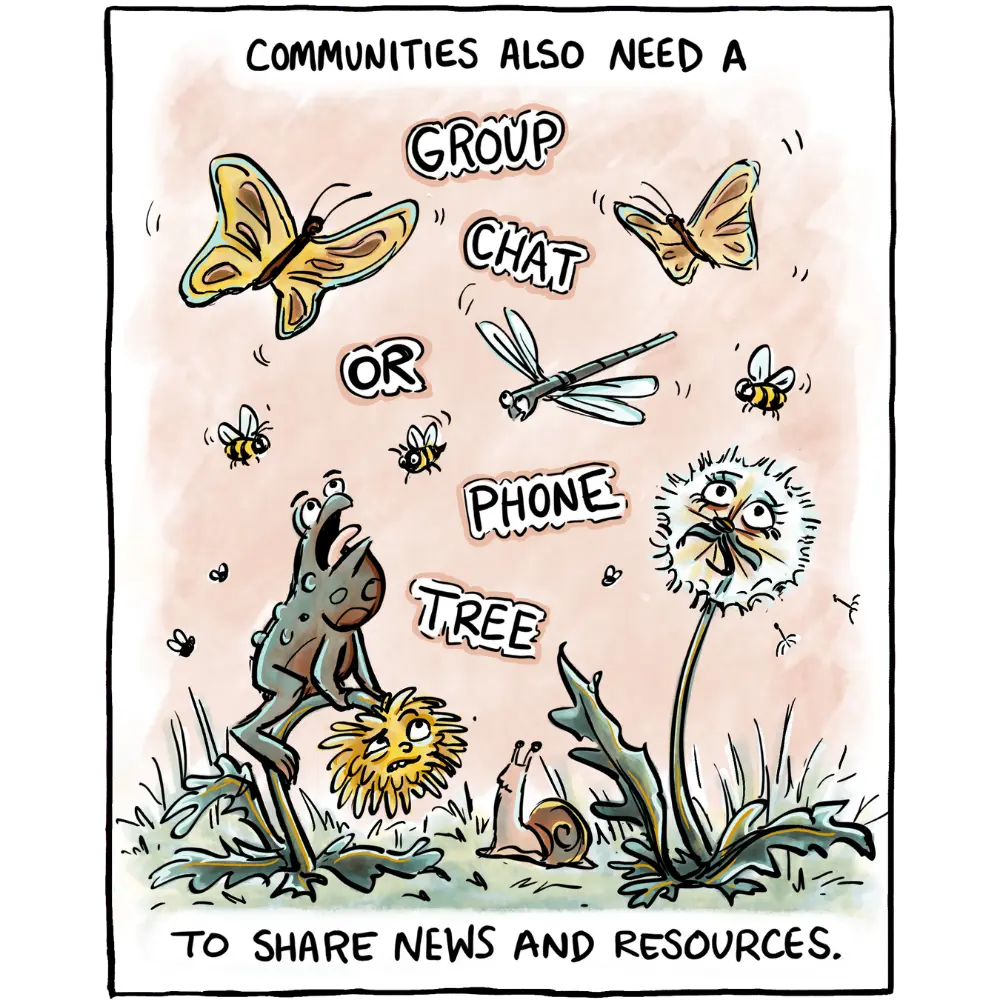
Wade proposes a theory that El Niño has been bringing people into cooperation since ancient times: “The effects aren’t equal every time in every place, so you’d retreat to safer places and meet people and get to know them,” she says, pointing out that ethnographic and archaeological evidence shows that hunter-gatherers from islands off Japan and pre-Columbian Cuba survived disasters principally by depending on their neighbors and friends.
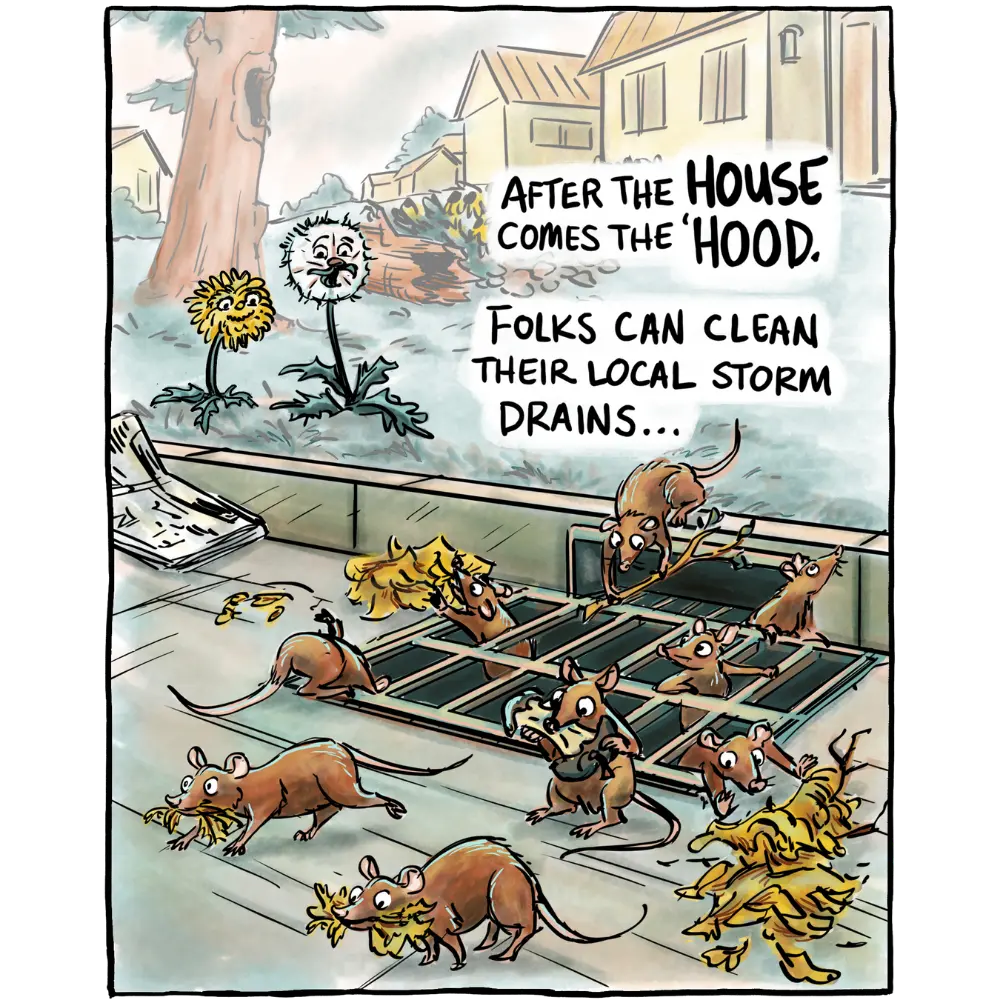
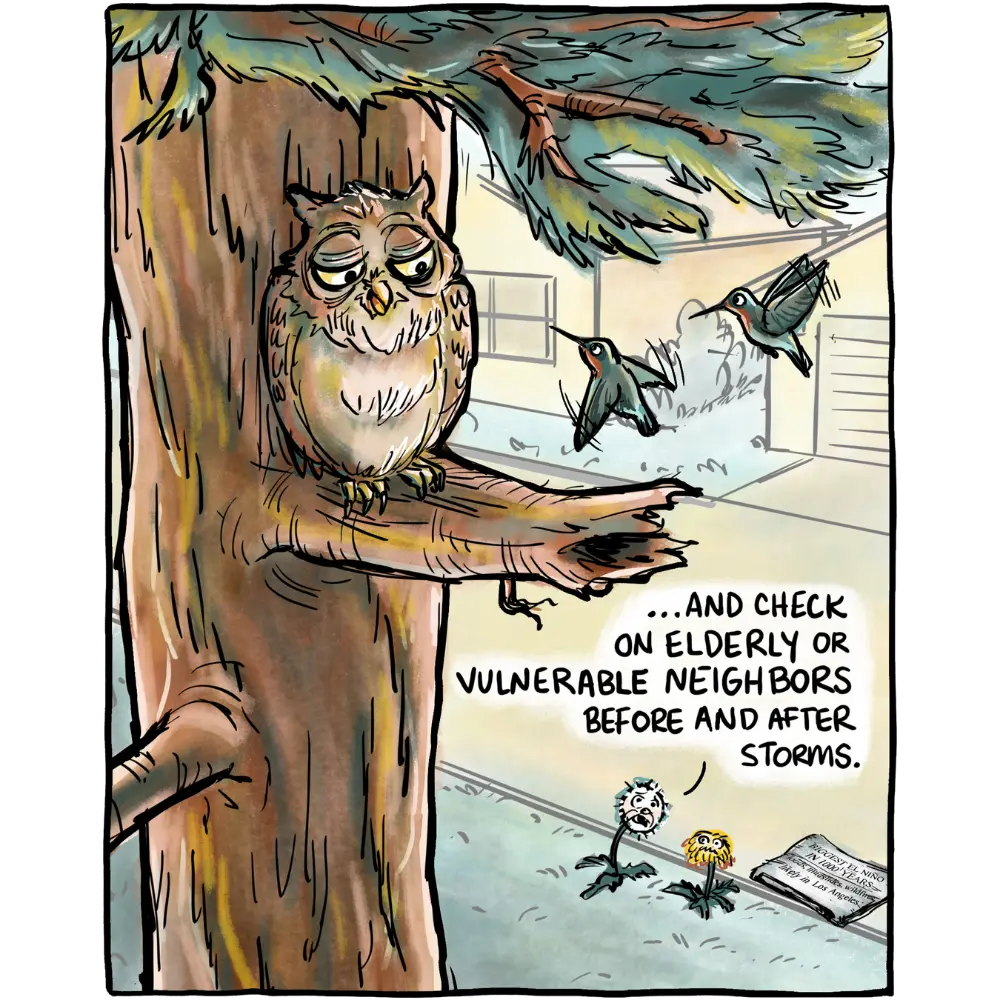
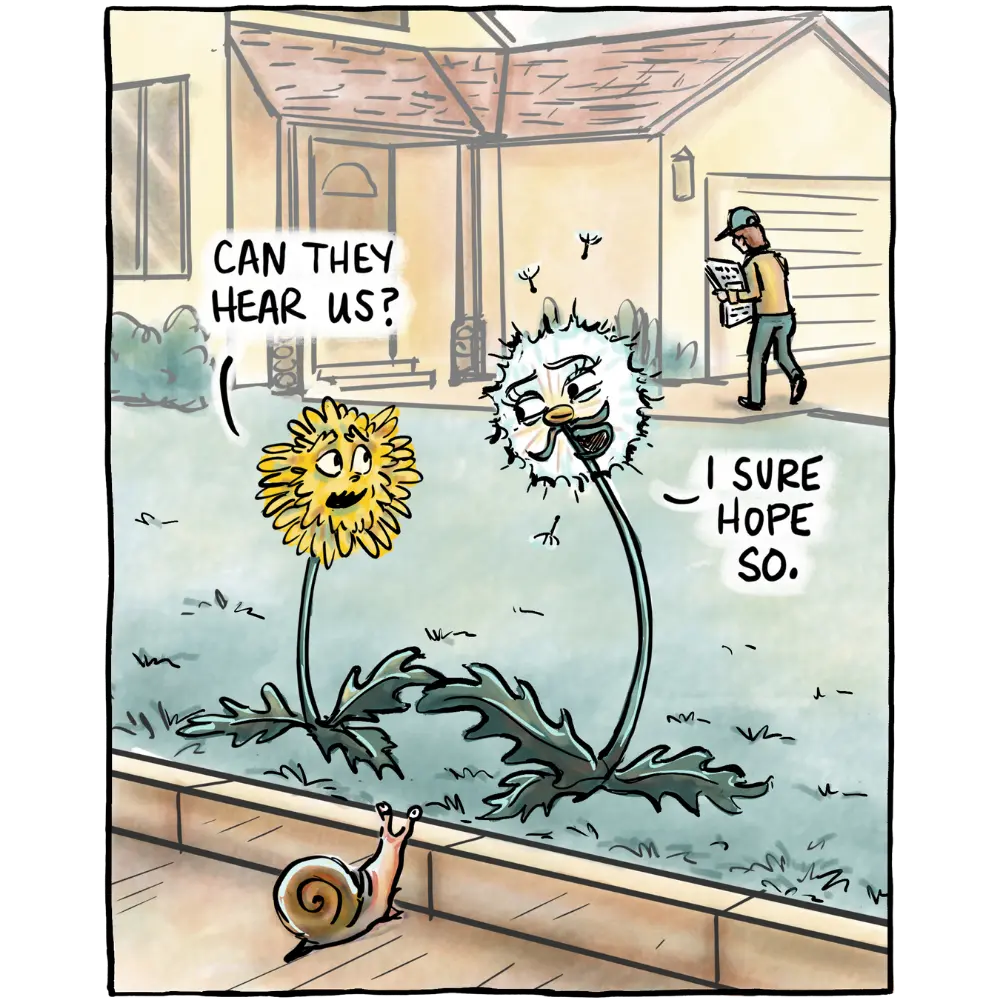
Strengthening social fabric is just as much a part of living infrastructure as depaving or planting rain gardens. And Wade’s research highlights a timeless lesson: There’s safety in meeting our neighbors. Collective care is the best form of protection we have. It’s time to knock on the apartment or house next door.
Download a printable PDF of this story to share with your neighbors here.
















We invite partners to share this article. To syndicate, please email info@livinginfrastructure.org.Download a printable PDF of this story to share with your neighbors here.

Fact-checking by Sana VenjaraCopy editing by Eleanor RobinsHeather Langley is an animation director, storyboard artist, and writer based in Los Angeles. Langley has worked at studios across Hollywood, including Warner Brothers, DreamWorks Animation, Walt Disney Imagineering, Hasbro, Titmouse Inc., and Participant Media. She is best known for her contributions to the Emmy-award-winning show Rick and Morty (seasons six to eight), her autobiographical comics, and her independent film projects. Langley received her Master of Fine Arts from the UCLA School of Theater, Film, and Television, where she was the recipient of the Matt Groening Fellowship, an award granted to students using film to advocate for social and environmental justice. Her animated shorts have premiered at festivals internationally and received numerous accolades, including two CINE Golden Eagle Award Finalist nominations. Her work, which is often autobiographical, deals with themes of compassion, grief, activism, and belief in the resilience of nature. As a 2025 Eaton Fire survivor, Langley is currently in production on "Fire Diaries," a comic series that aims to catalog and discuss the impacts of the Eaton Fire on her local Altadena community.Zoe Mendelson is the author of Pussypedia: A Comprehensive Guide. She is currently writing essays about How to Have Fun in the Apocalypse. You can find more of her work at www.youngzo.com.