Every Park Needs a Steward
Yessenia Funes is an independent journalist and daughter of Salvadoran immigrants.
Picture this: On your routine walk by the park, you see a familiar face. Every morning, the same person greets you as they water the mango tree. They’re older and speak only Spanish, but after a while, they share their name. They’re usually wearing a black coat that reads “STAFF” in yellow on the back. The relationship evolves beyond “Buenos días,” and you learn you are neighbors. They tell you this is their side job, but it’s more than that. It’s a labor of love.
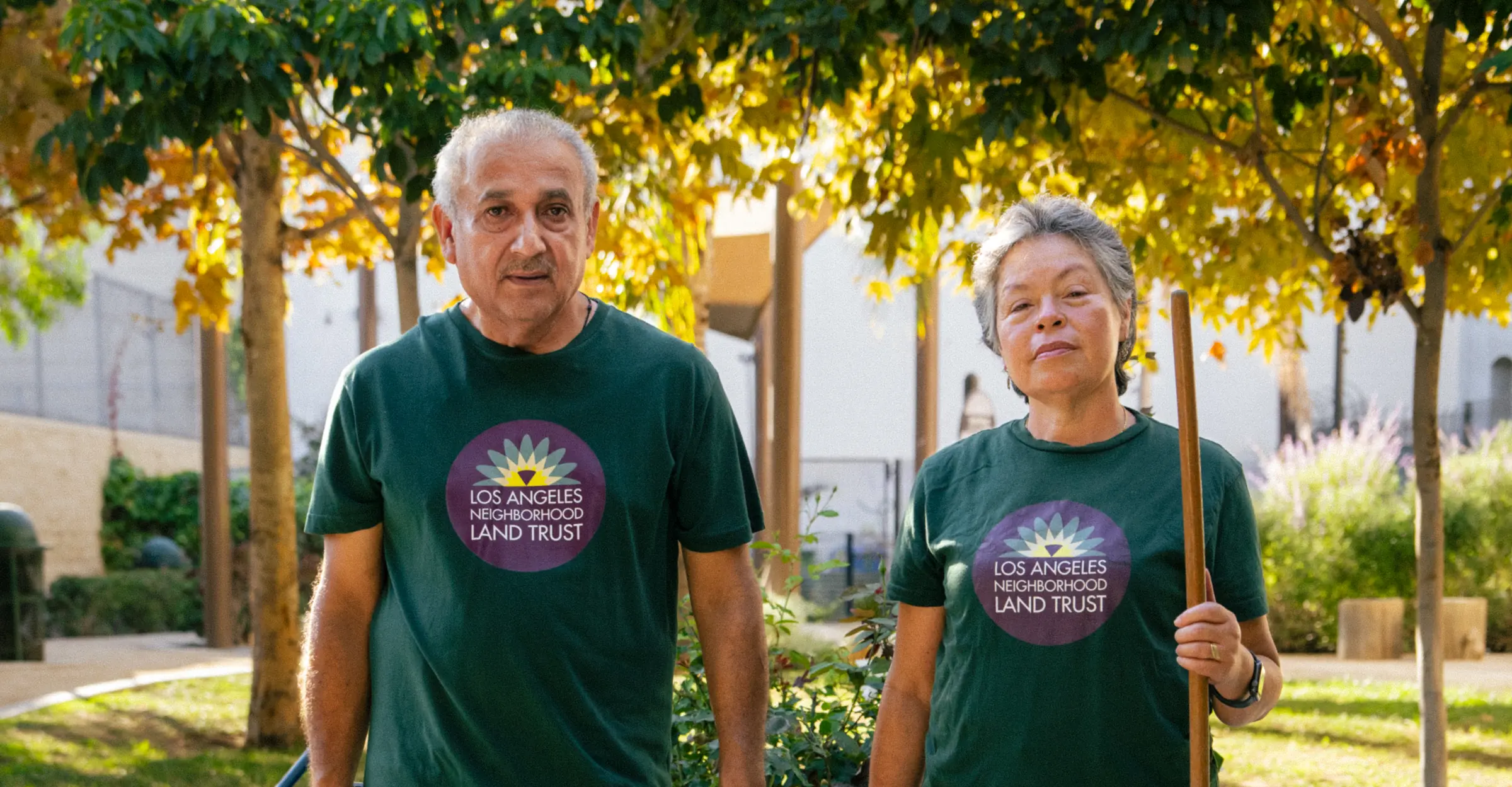
And that’s when you finally notice the logo on their shirt. It looks like a sunrise. Or a flower. Or both.

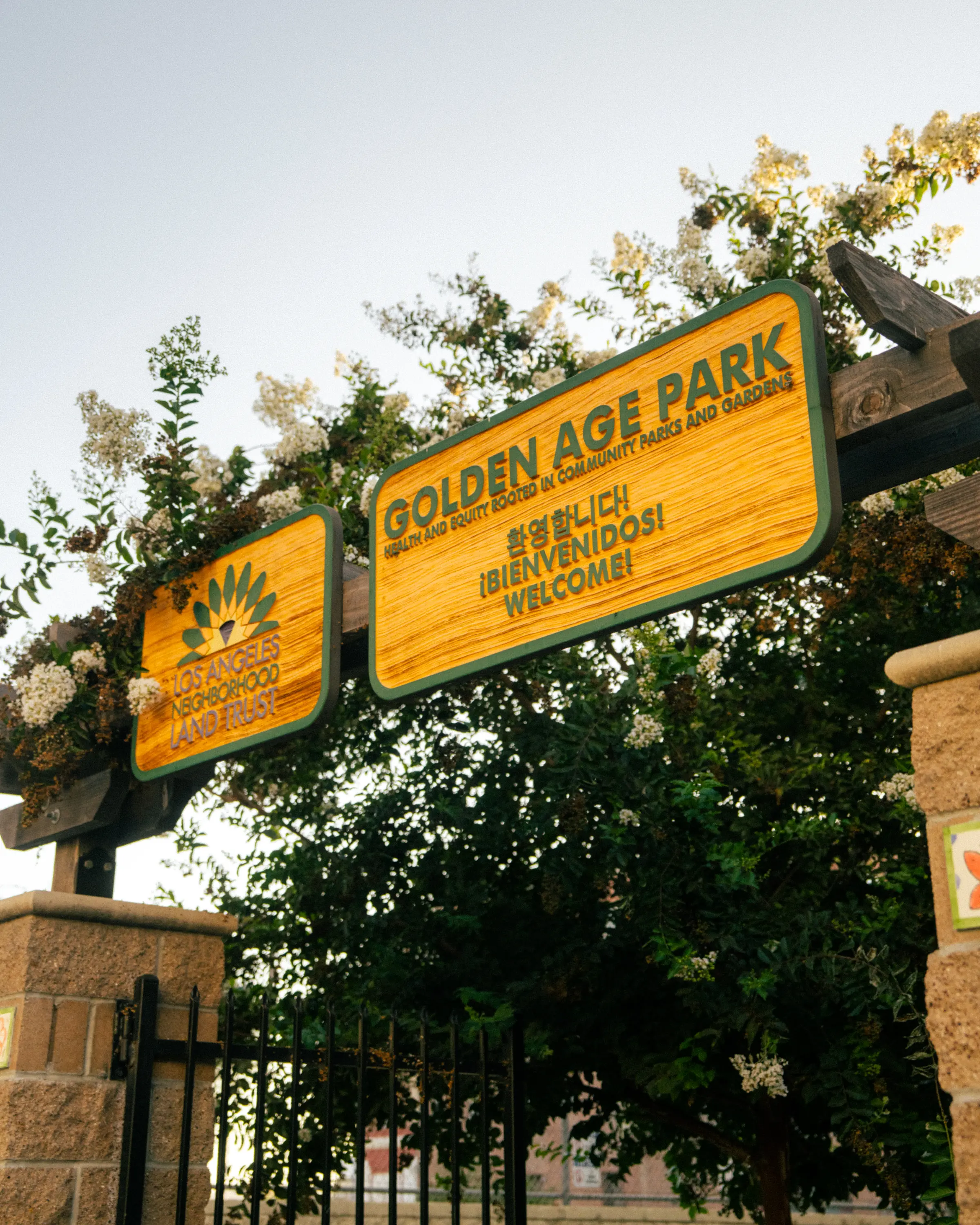
The Los Angeles Neighborhood Land Trust (LANLT) has been running the park stewards program since its founding 24 years ago to empower residents to be active in their local green spaces. Eight parks—some owned by the Land Trust, others by the city or county but still managed by the organization—have paid part-time stewards who arrive to open the gates every morning and then lock them for the night. Their duties involve picking up trash, removing graffiti, watering plants, and handing out event flyers.
“Most of them have other commitments,” says Mireya Valencia, the park stewards program director. “This is really a way for them to make extra income for their families.”
The role is also a chance to connect—with community and the rest of the living world. Most stewards are Spanish-speaking immigrants, a population that faces disproportionately low levels of access to the outdoors. People of color are more likely than white people to live in nature-deprived areas, according to 2017 federal data. This fulfilling work brings these stewards closer to the land and their neighbors. And that, in turn, benefits LANLT, which trusts that the parks are cared for by the people with the deepest expertise. These stewards are themselves a form of living infrastructure, taking care of the park while inviting their neighbors to commune with the flora and fauna around them.
“Through this program, they are able to take ownership of the space and become leaders in their community and invite people into the space who maybe didn’t have an interest in nature or maybe haven’t felt welcome in green spaces,” Valencia says. “We don’t have to do things the way they’ve always been done. With just a little creativity, we can solve most of our problems.”
Unlike traditional city parks, where a single staff member often jumps from neighborhood to neighborhood to maintain various green spaces, every Land Trust park has one designated steward. And only one of the Land Trust’s stewards is responsible for several parks. Meet Adolfo “Fernando” Larios.

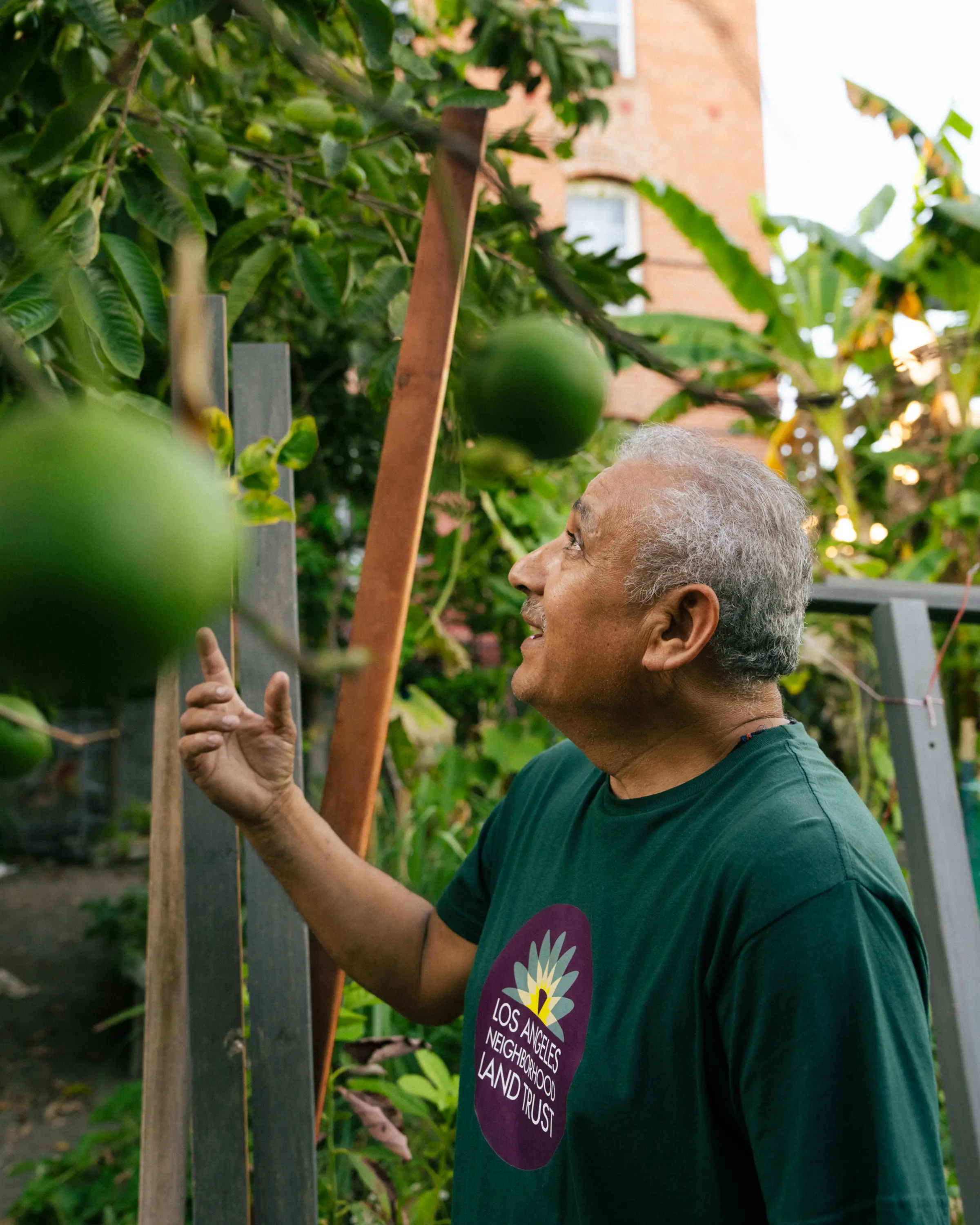
Larios, 61, was born in an agricultural village in Los Tepames, Colima, Mexico. As a kid, he spent a lot of time in el campo, helping his dad plant corn. He doesn’t have clear memories of that time, just stories from his older brother. He was always drawn to the soil and helping people. “My wife tells me I was born for this,” he says in Spanish.
At 18, Larios came to Los Angeles. “I didn’t want to come,” he says, but he had no other choice. His sister and her husband were leaving, and he couldn’t stay back alone. About 10 years later, he married his wife, and they later had a son. It was around that time, too, that Larios discovered his first park in Koreatown: MC Francis.
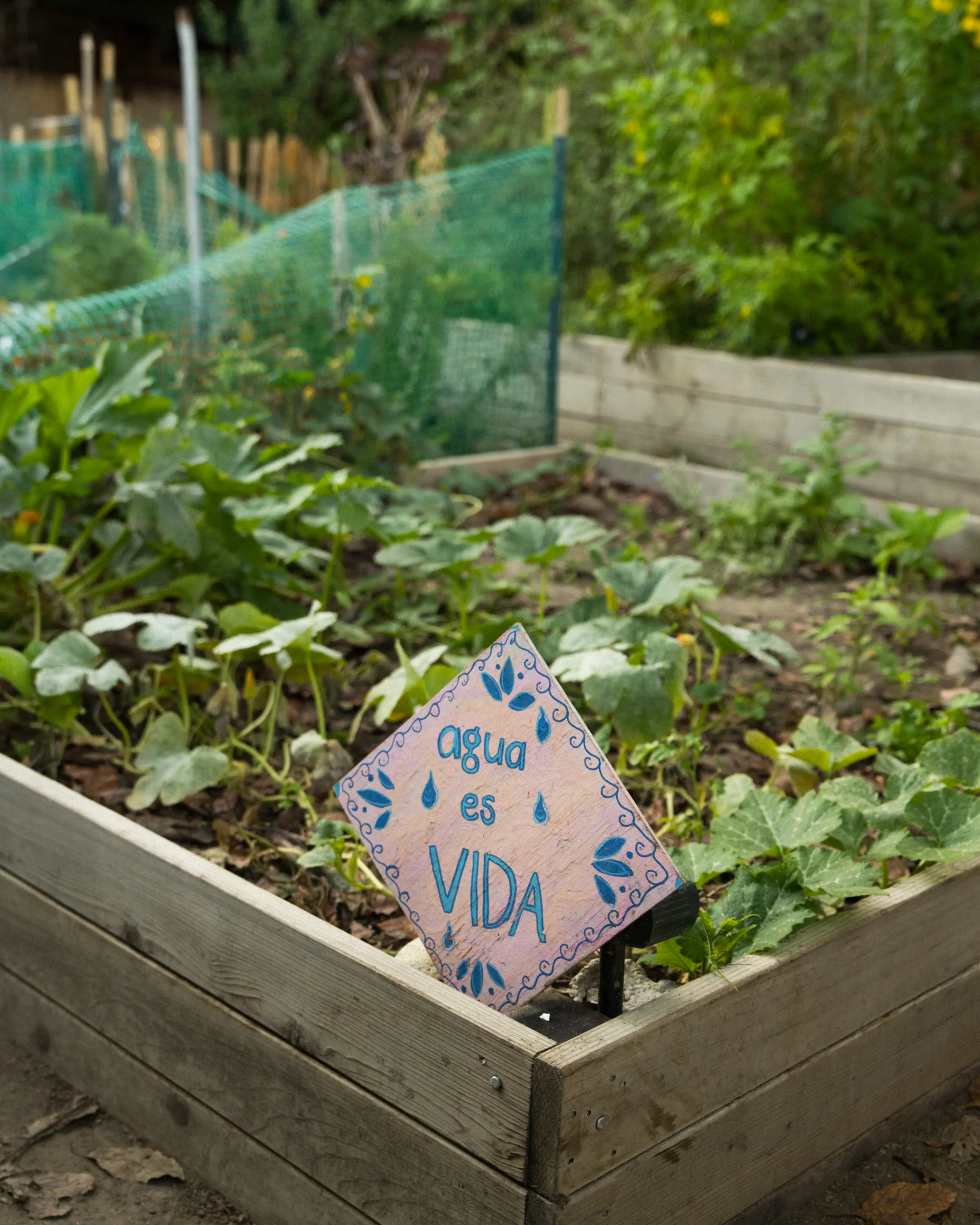
The Land Trust now manages the park, but it was run by a local church when Larios first connected with it. The First Unitarian Church of Los Angeles still sits behind the park, and Larios still attends every Saturday to help give out canned veggies and milk. This neighborhood is home; he lives a block away and has his own plot in the park’s community garden, growing chiles and corn. The garden is how he became involved with LANLT’s park stewards program. The park feeds lots of neighbors now, and there are many kinds of trees: apple, peach, orange, avocado, guava. “The fruit is for the community,” Larios says.
The organization asked him if he wanted the job because all the locals knew him. “He’s friends with everyone,” Valencia says. Even some of the local gangs. He used to see them every day, men young and old, telling them they can’t smoke or drink in the park. After a while, they understood, and he earned their respect. “If you don’t know who’s taking care of your park, you might be more likely to disrespect the space,” Valencia says. “But when you see someone there and you know who’s taking care of it every day, you’re more likely to respect it and take care of it.”
Whenever the guys catch Larios carrying heavy bags of soil, for instance, they help him bring them in. He doesn’t see them as much these days, but they never caused him any trouble.

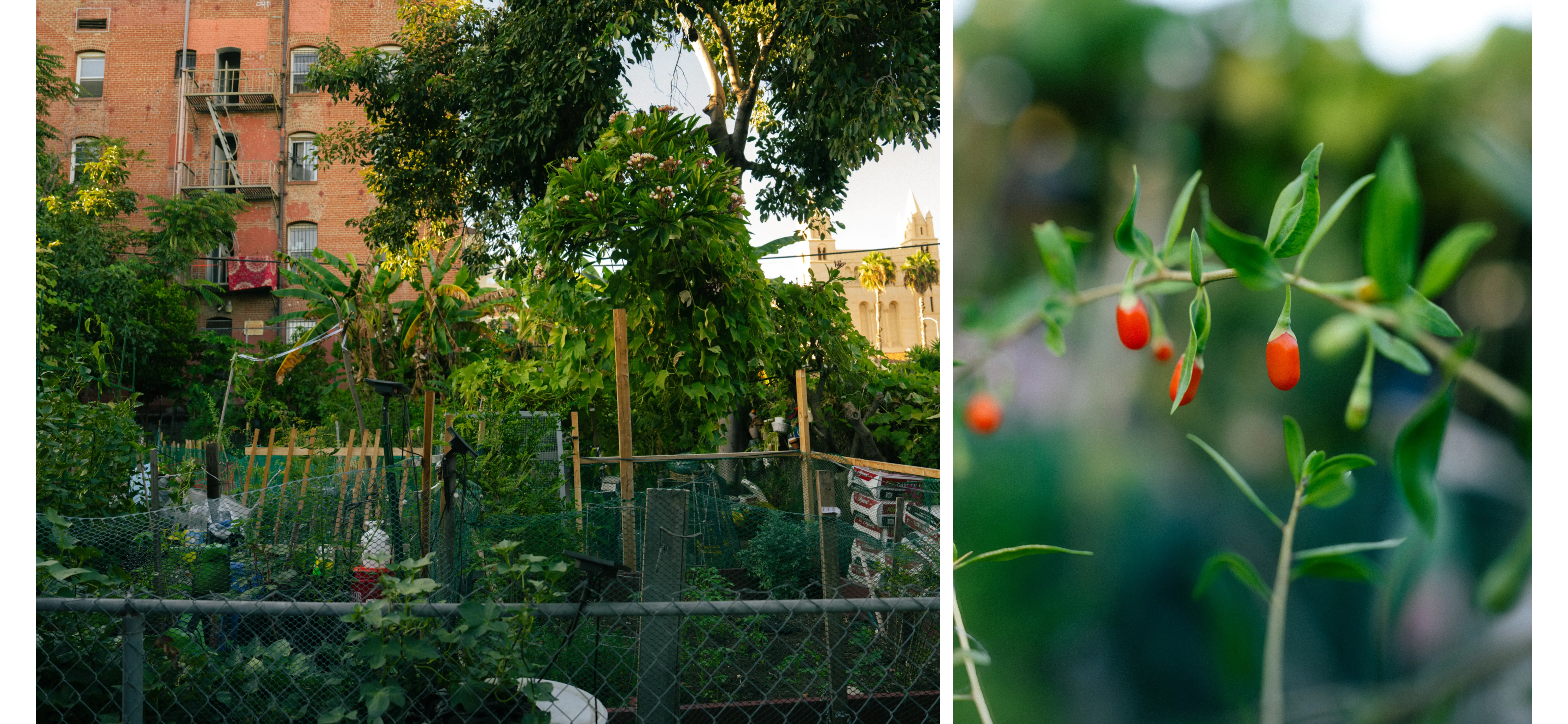
“They told me I was different from other people because I would say hello,” Larios says. “But they’re human beings just like us.”
He stewards nearby Golden Age Park, too. The neighborhood around both parks is mostly made up of immigrants from Mexico, Guatemala, and El Salvador, he says. He spends much of his workday at a warehouse, his full-time job, but coming to the parks after his shift always feels like a relief. “I get fresh air and relax,” Larios says. The people are his favorite part. He’s made friends of all ages and backgrounds. Indeed, it’s this commitment to his neighbors that helps him stand apart, Valencia says. “He can connect with people from all walks of life.”

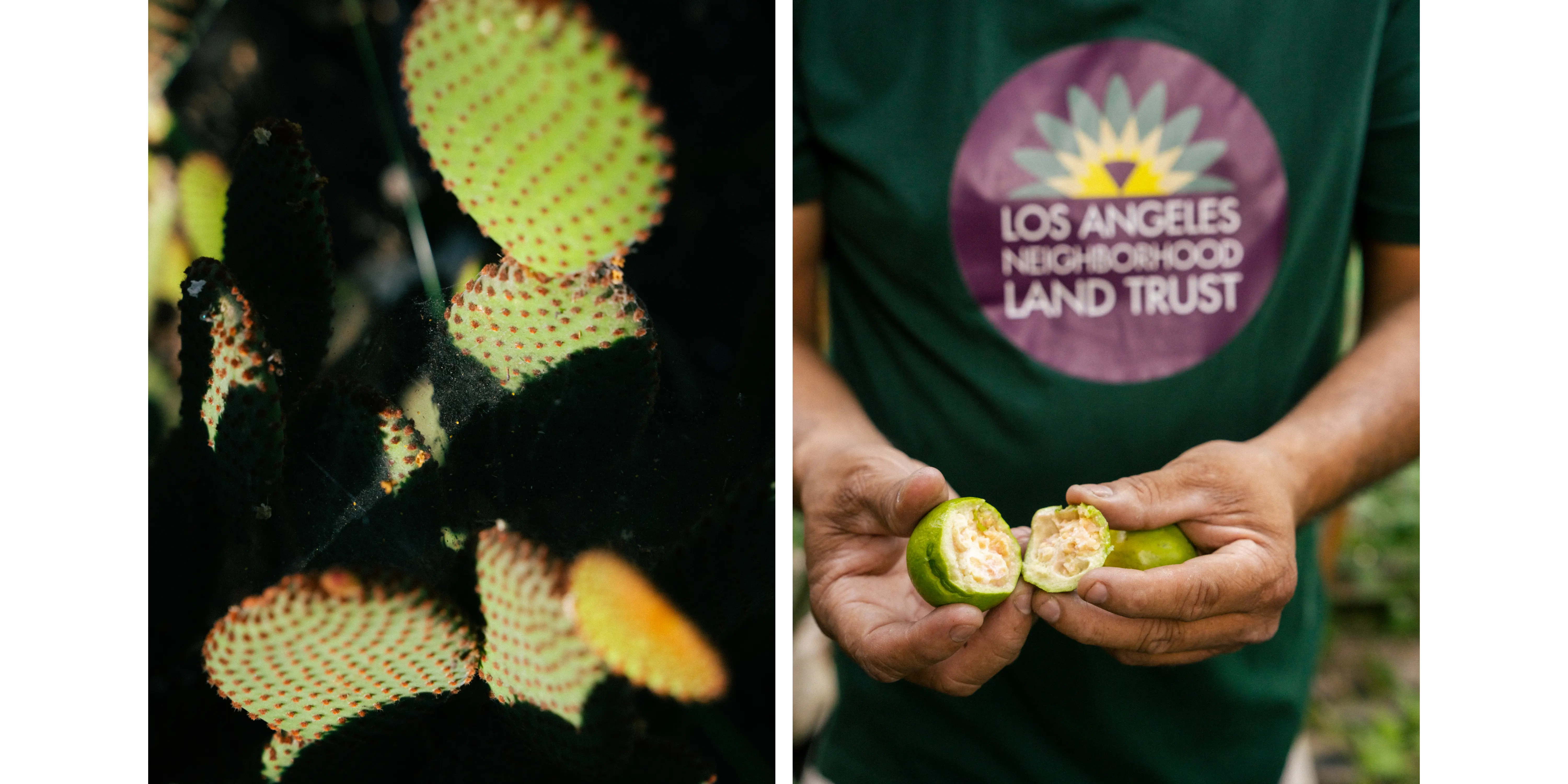
Fifty-seven-year-old Emiliano Nuna has a garden plot at MC Francis. He’s gotten to know Larios during visits to tend his nopales and chayotes. “If I need something, he’s always around to lend a hand,” Nuna says of Larios, in Spanish. Nuna appreciates that he has a safe, clean place to take his kids outside to relax. Larios helps make that possible. But he doesn’t do this work alone. LANLT is there to support him every step of the way. As are the other park stewards, many of whom are his friends, too. Like Maria Reyes.

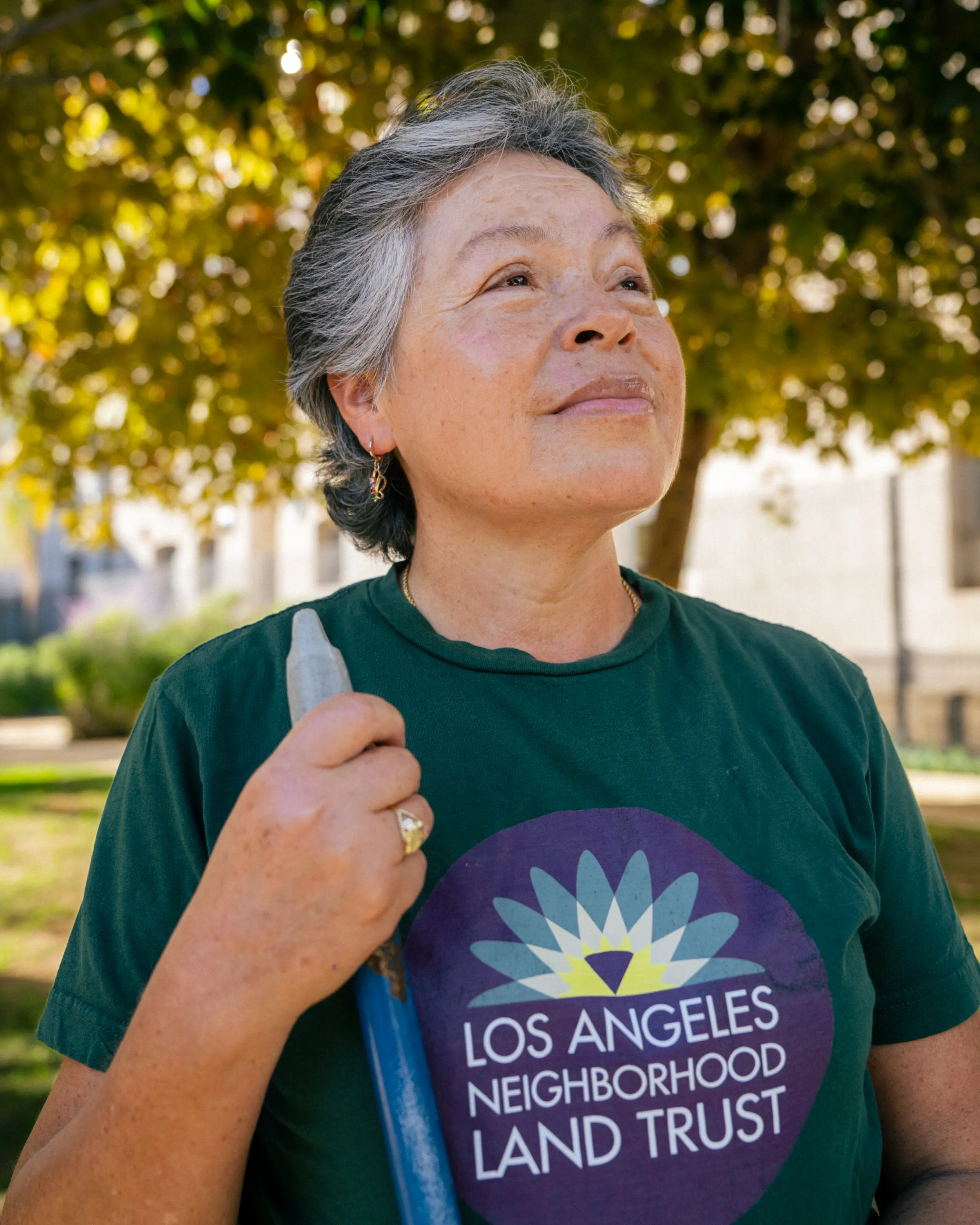
Before Reyes, 57, began to take care of 11th Avenue Park in Hyde Park, the space was an empty lot full of dirt and old trashed furniture. People would go there to smoke and drink. “In those days, I wouldn’t really go to any park,” Reyes says in Spanish. She needed a car to get to the nearest green space.
Then the Land Trust leased the property and completely transformed it with the community’s input. Reyes’s daughter, Adela Reyes, still remembers how hard her mom worked, fighting for the park and her community. “She’s not shy at all,” Adela says of her mother. That was over 16 years ago.
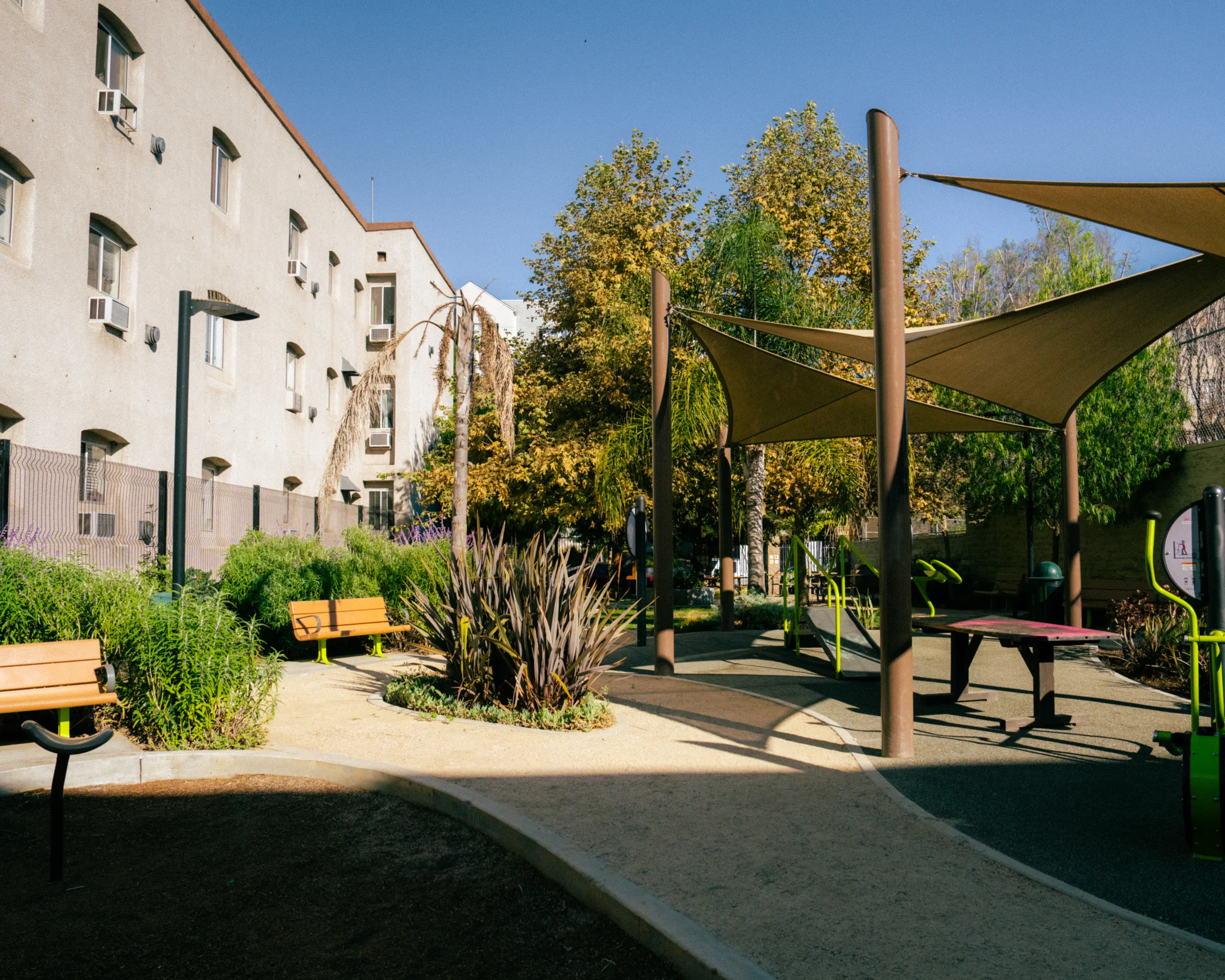
Adela didn’t get to enjoy the perks of a local park when she was growing up, but the exposure to community organizing helped her become more confident and outspoken. “Back then, since we didn't have the park, a lot of kids were either joining gangs or doing things that they weren’t supposed to do because we didn't have nothing else to do," she says. Now, children have the opportunity to get off their tablets and play on the spider-shaped jungle gym.
“Our kids can be kids again,” says Adela, who’s seen her own children grow more fearless since the Land Trust transformed the park.
Maria spreads her energy however she can, including at a wholesome weekly coffee club she hosts under the park’s huge ash tree. The group is usually made up of women (though the club is open to anyone) who drink their cafecito with some pan dulce and tamales. “Everyone tries to bring a little bit of something to share,” she says.
And this is exactly what parks are meant for, Valencia says: “For people to gather and come together.” Many of the communities LANLT serves don’t have a backyard or money to rent out a party room; the parks are their event spaces.

For Maria, parks have become a connection to her old life. She grew up in Zacatecas, Mexico. She used to love climbing guava trees and splashing in the river. “I always loved nature,” Maria says. Migrating when she was still in high school disrupted that relationship. “Here in the U.S., life flies by so fast we sometimes don't have time to enjoy nature,” she says. “We have so much to do it's easy to forget about the things that make you feel free and refreshed.”
The simple things bring her joy: looking at the crows and squirrels. Her time tending to the park has helped her remember who she was before moving to an unfamiliar place and confronting all the burdens and responsibilities of adulthood. She’s proud of her work, showing off the vibrant flower garden to her relatives when they visit from Tijuana.
That’s the beauty of the living world. It speaks a universal language. It tells us to slow down. It asks us to pause and listen. The Land Trust’s park stewards know how. The plants and animals are their neighbors, after all.

We invite partners to share this article. To syndicate, please email info@livinginfrastructure.org.

Fact-checking by SphericalCopy editing by Eleanor Robins
Yessenia Funes is a journalist who’s covered environmental issues through the lens of the oppressed for over 10 years. She has written for WIRED, Bloomberg, New York Magazine, Yale Climate Connections, Vox, and more. She lives in New York, but her work has taken her across the globe from the West Bank to Nicaragua’s Miskito coast. She’s also an artist and poet who publishes a creative climate newsletter called Possibilities: a weekly postcard from a brokenhearted climate girly.Carlos Jaramillo is a Mexican-Colombian American photographer based in Los Angeles. His editorial and commercial work has appeared in The New York Times, The New Yorker, Los Angeles Times, Rolling Stone, Vogue, The Guardian, and Smithsonian Magazine. His practice explores identity, heritage, and the intersection of tradition with contemporary life. Working primarily in portraiture and documentary photography, Jaramillo’s images draw on the formal qualities of art history while remaining grounded in his subjects’ lived experiences. Jaramillo’s work often highlights underrepresented communities and the ways in which cultural identity is expressed through ritual, fashion, and environment. His celebrated project “Tierra del Sol” documents the annual charrería in Pico Rivera, California, blending studio portraiture with vernacular style to honor a vibrant cultural tradition. The book was named one of Smithsonian Magazine’s top 10 photography books of 2022 and has been exhibited at Guerrero Gallery in Los Angeles, Selenas Mountain in New York, and internationally. Through his practice, Jaramillo seeks to create images that resonate across borders—works that amplify voices, preserve stories, and challenge conventional narratives about Latin American identity in the United States.