
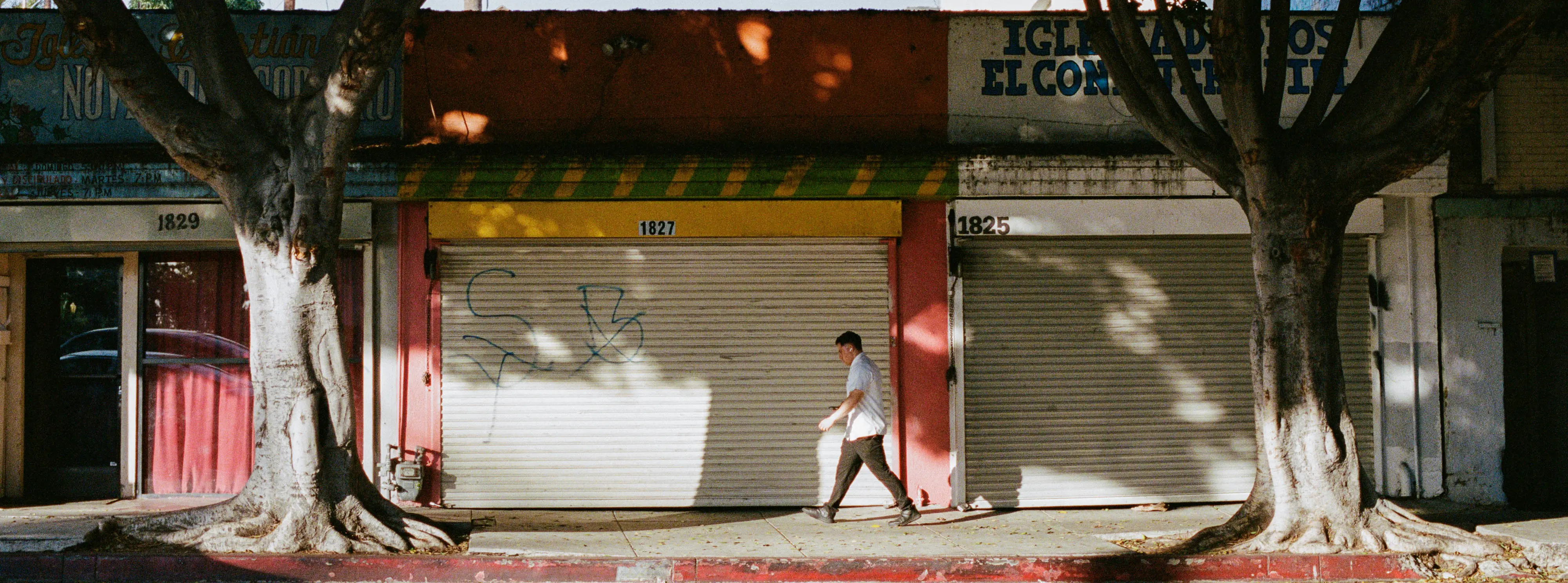
Is LA's Transportation Landscape Finally Improving?
Krystina Christiansen is a filmmaker and the strategic narratives manager at Spherical.Natalie Chyba and Chelsea Richer are transportation experts involved in the design of L.A. streets. All views are their own and not a reflection of their employer or employer’s clients.
On a scorching afternoon in Pico-Union, transportation planner Chelsea Richer and transportation engineer Natalie Chyba find a patch of relief at Alvarado Terrace Park. It sits beside Powers Place, a brick-paved stub of road that claims to be the smallest street in Los Angeles. The shade trees are doing most of the work. By Chyba’s estimate, they are bringing the temperature down at least 10 degrees Fahrenheit, enough to make a conversation outdoors comfortable.
“This interview is brought to you by trees,” she jokes.
I’m joining Richer and Chyba of transportation planning and engineering firm Fehr & Peers for a walk down Pico Boulevard, one of the longest continuous streets in Los Angeles. Both have worked on projects reshaping Pico’s transportation landscape. Every day, thousands of people walk, bike, scoot, and ride the bus along a street built mostly for cars. For Richer and Chyba, changing the street’s car-centric focus is about more than mobility. It’s a matter of safety and public health in a warming city.
As we prepare to leave Alvarado Terrace Park, a row of palm trees stands tall and iconic a few yards away, throwing almost no shade. It’s a fitting place to begin. The contrast between shade and sun, and between what a street looks like and what it does for the people on it, runs through everything Richer and Chyba do. How streets connect communities is at the heart of living infrastructure. A street can be designed to bring people together—and in return, their lives become easier, too.
Pico is a good place to watch that idea take shape. It runs from Downtown L.A. to the beach and stitches together dozens of neighborhoods along the way. A redesign bringing protected bike lanes, new crossings, and sidewalk repairs is expected to begin construction in early 2027. New bus shelters providing shade and real-time transit information are already going up along the corridor.
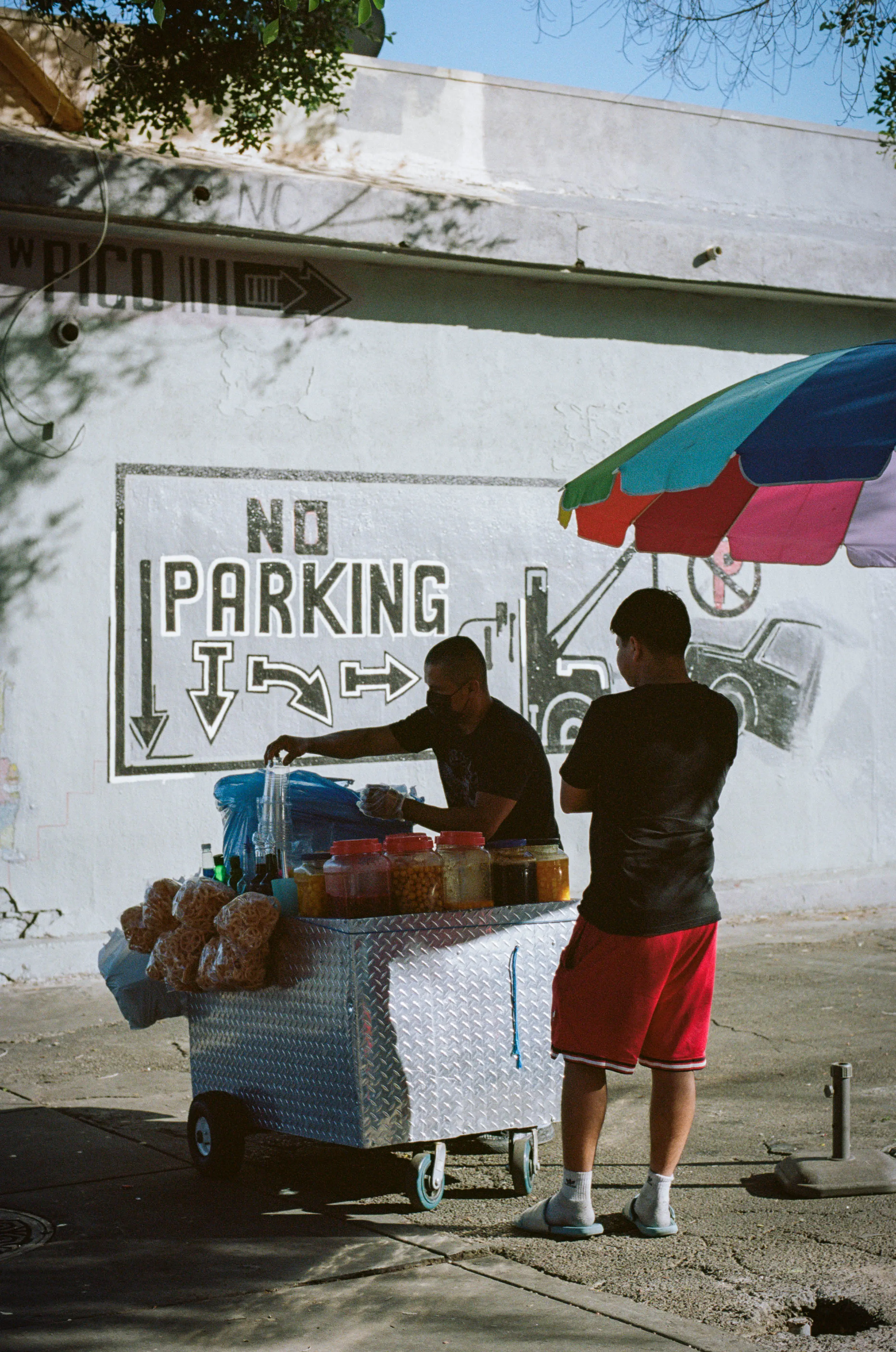
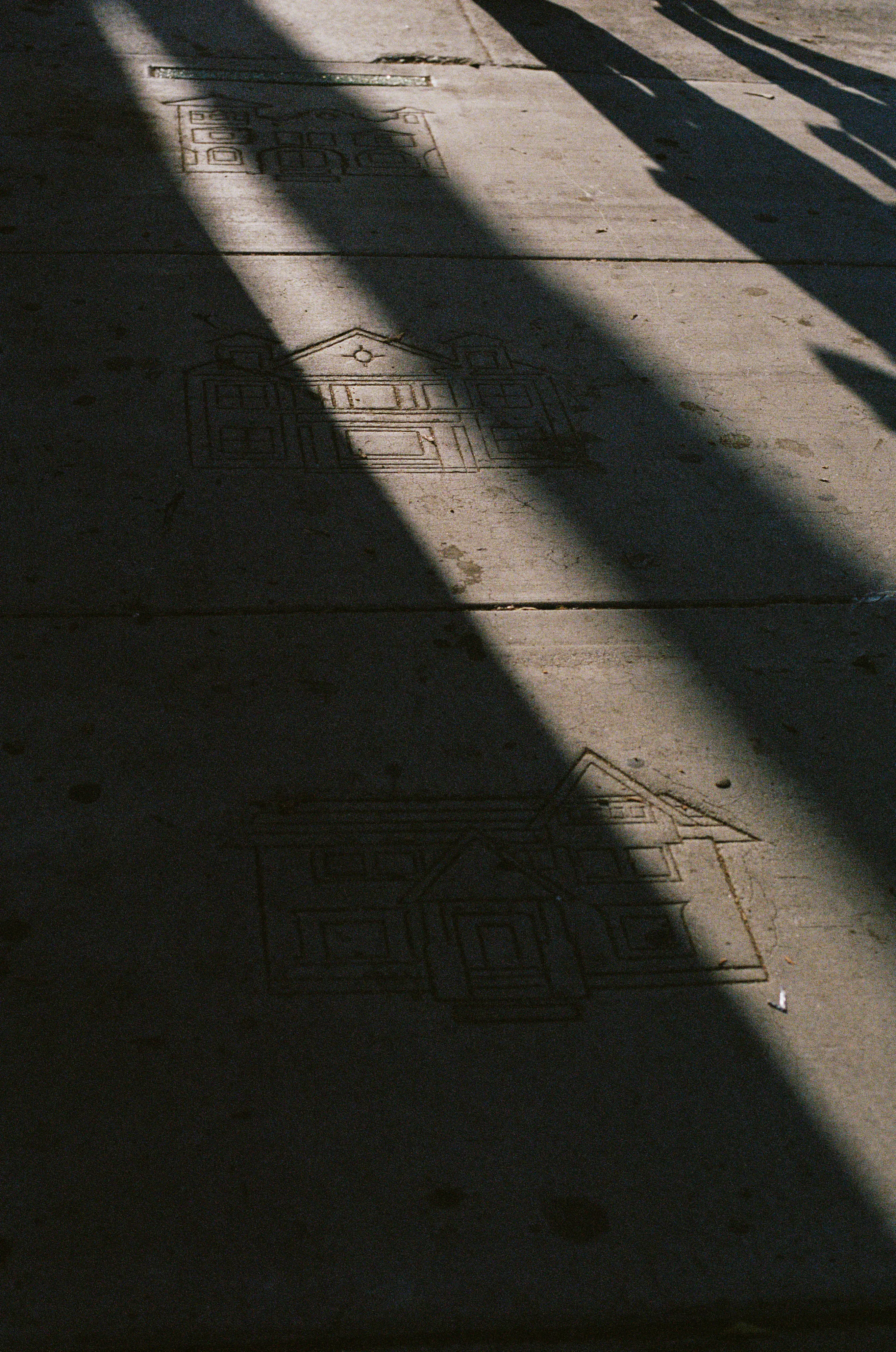
I walked Pico with Richer and Chyba, past high schoolers heading home and a raspados vendor, over small illustrations of Victorian houses stamped into the sidewalk. Along the way, the pair talked about how L.A. went from world-class rail systems to its famous freeways, why shade is a public health issue, and why the goal isn’t a car-free city, but one where everyone has a real choice in how they get around.
Here’s our conversation, from the smallest street in Los Angeles to one of its longest.

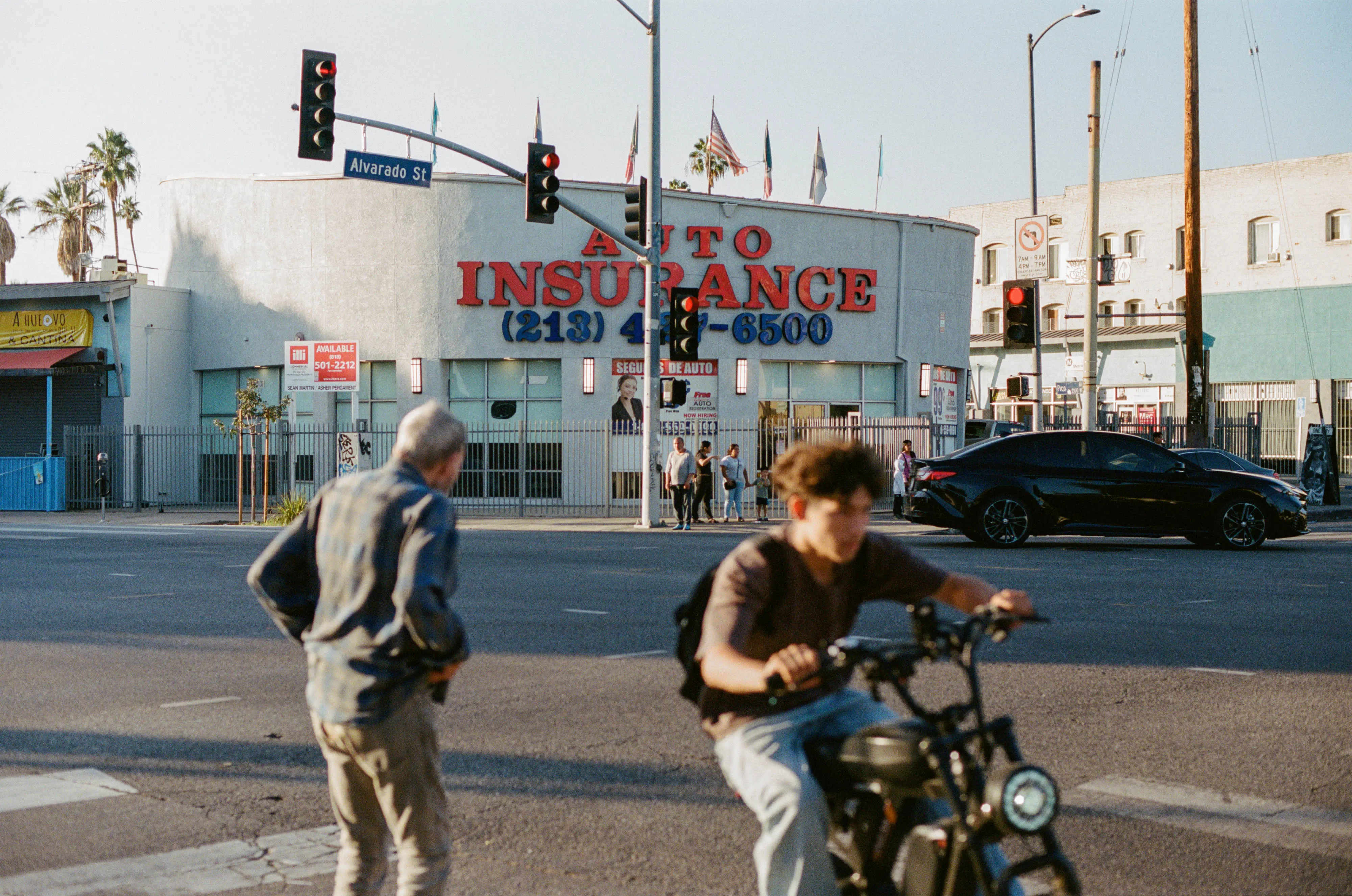
How did L.A.’s streets end up this way?
NATALIE CHYBA: Rewind 100 years. We're in the 1920s. Cars are starting to take over, but Los Angeles still has one of the world's largest railway systems with over 1,000 miles of rail lines connecting almost every neighborhood. Unfortunately, it's privately operated, profit-oriented, and very neglected. The city’s transit system is then sold to National City Lines, whose investors include car industry players like General Motors. Just as an economic boom hits, cars rise. It's the 1950s, and all of a sudden, Los Angeles asks, What are we going to do with all this cash? We're going to build the world's greatest highway system. So we literally went from having the world's greatest transit system to the world's greatest highway system.
Despite L.A. Metro building out a rapidly expanding transit system, cars still dominate our transportation landscape, so now we have a safety crisis on our streets. We see a lot of billboards about gun violence and children. No billboards about cars and children, despite car crashes being the leading cause of death for children in L.A.
CHELSEA RICHER: The population boom in L.A. happened around the same time as that money boom when car ownership was becoming economically possible for people. Then the population kept growing, and a geometry problem developed of not being able to fit all of those cars in the space we have. All of a sudden, it's a scarcity problem.

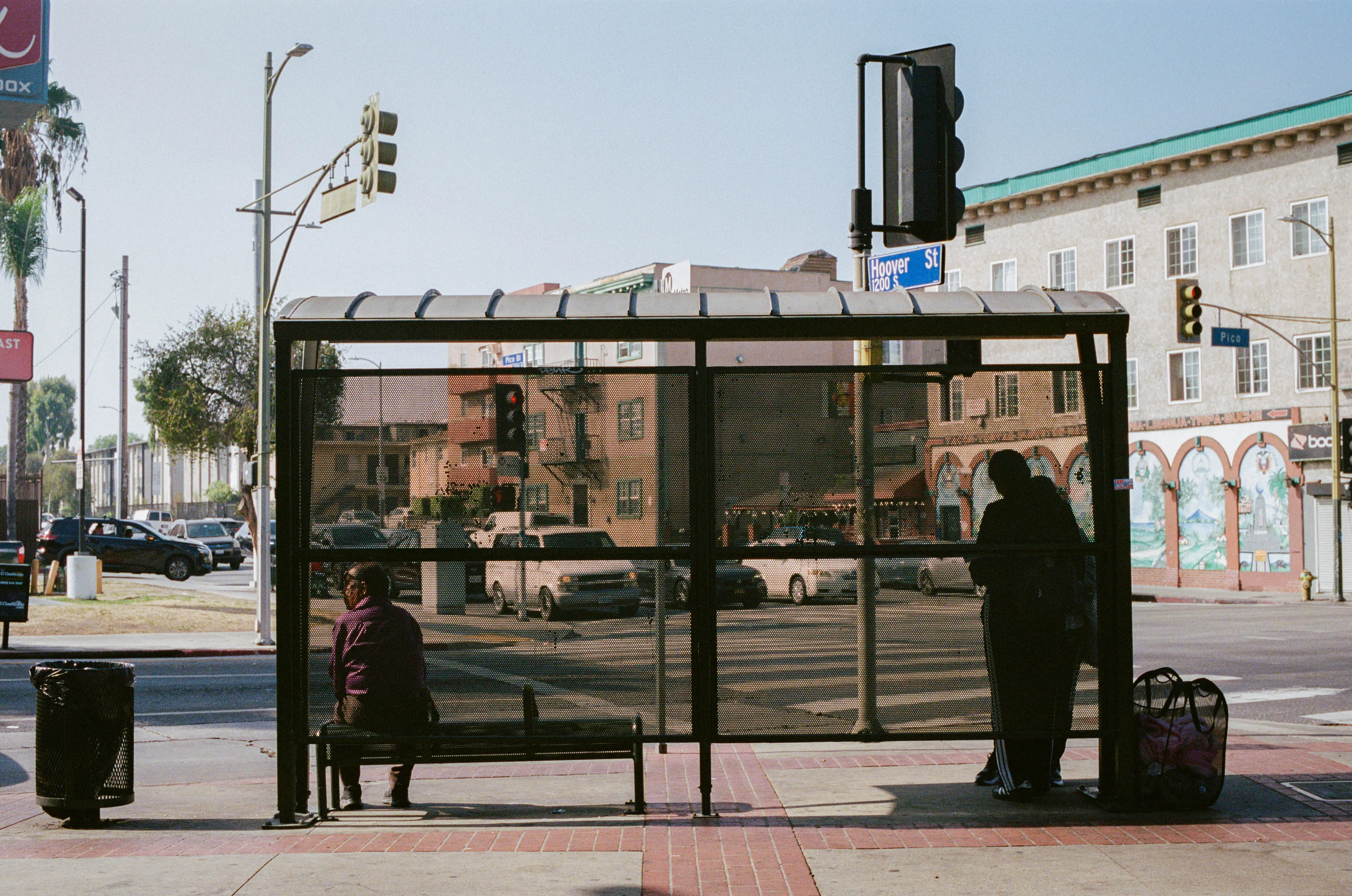
NC: Now we're in the acknowledgment stage, moving toward the doing-something-about-it stage. The two projects on Pico are very solid examples of that, and there are more to come on iconic streets like Sunset, Westwood, Spring, Broadway, and Alameda.
What’s changing on Pico?
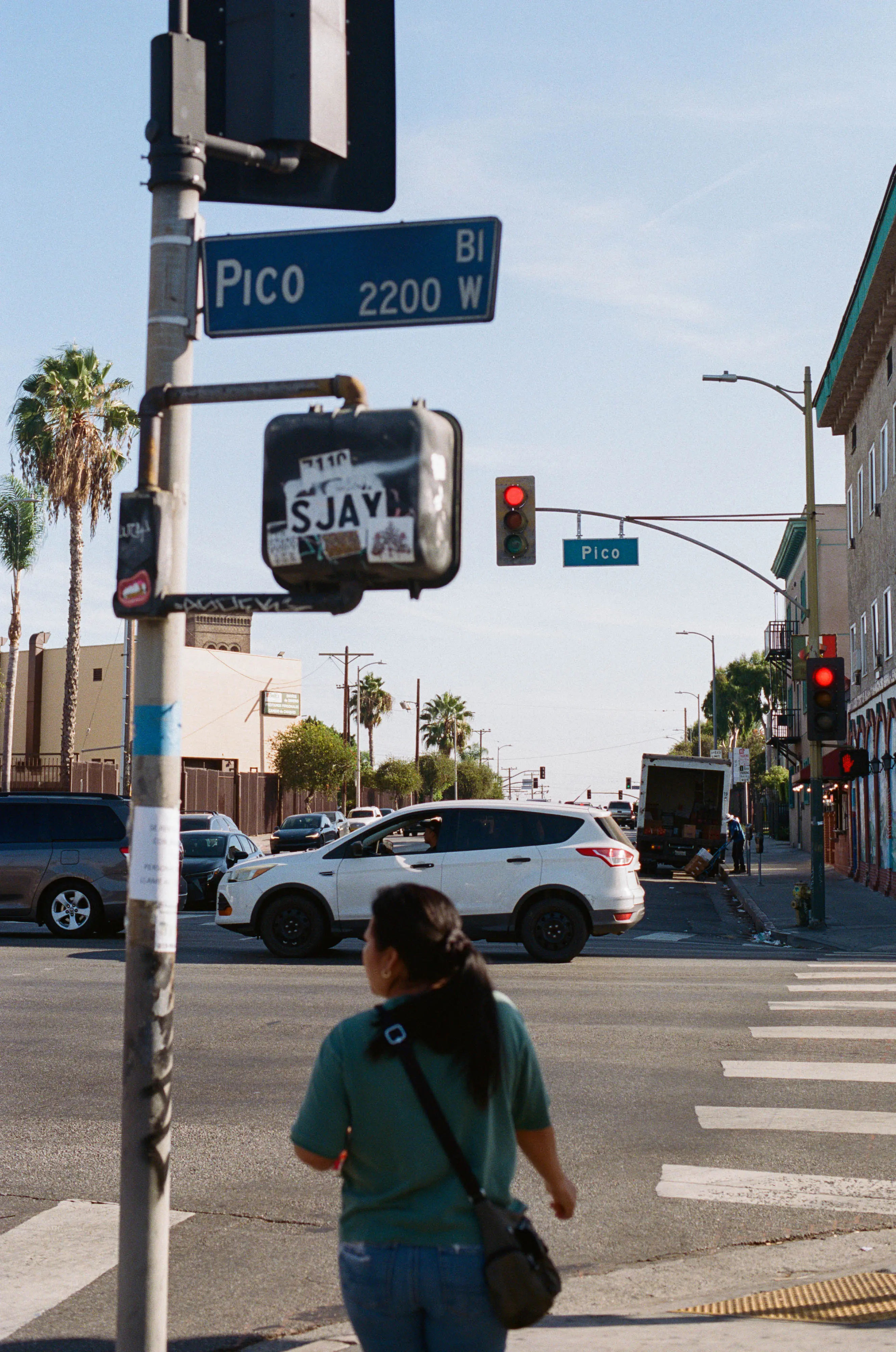
NC: One project is the City of Los Angeles' Pico Boulevard Safety and Mobility Plan Project. We're getting protected bike lanes, new curb ramps, sidewalk improvements, and maintenance to tree wells to keep our trees healthy. It's about making sure the street reflects the activity we see right now as we stand on the corner: five kids running across the crosswalk, another group getting on the bus, a Lime scooter, and someone walking with crutches. It's a question of how space should be allocated and better matching it to how people are using the corridor today.
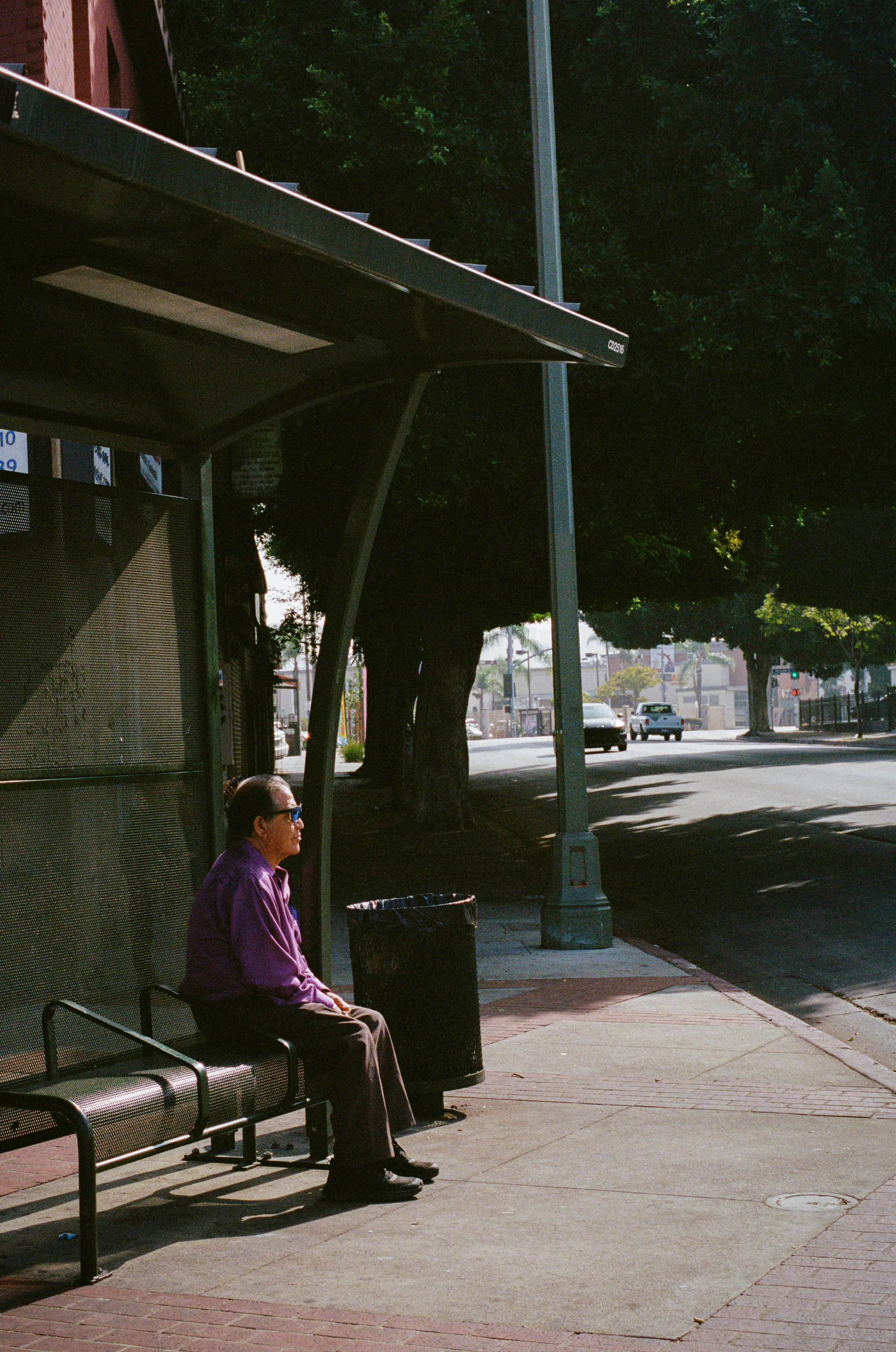
CR: The other project is the Sidewalk and Transit Amenities Program, which is putting brand-new bus shelters at stops across the city to bring more shade into the public space. Bus riders can sometimes wait a long time, and on a hot day, you're just sitting there scorching. Ninety-five to 105 degrees Fahrenheit is not uncommon in the summer in parts of L.A., and that's when the health impacts of heat exposure can really start to accumulate, especially if you have asthma or other health complications. A shaded place to wait is more comfortable; it encourages people to ride the bus and helps address these health risks. So it's a transportation project, but it's also a public health project and a climate project. As heat waves become more common, these shelters will only become more important.

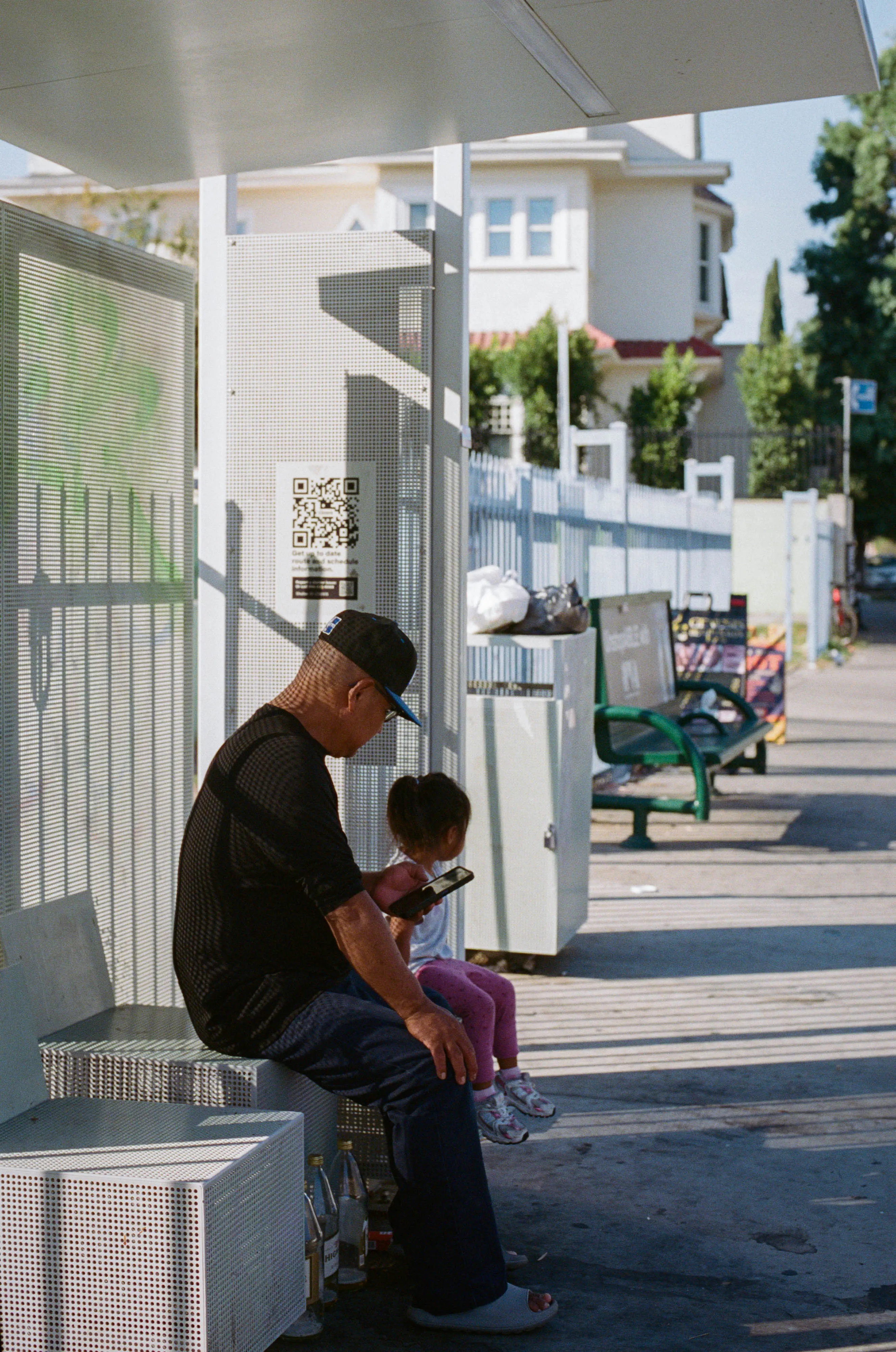

This shelter also has real-time arrival information. And you see the temperature. There's an audio button that reads you the next bus times if you're visually impaired. At night, the beacon and the strip under the awning light up, so you can find the stop from down the block, and the bus operator can see someone is waiting to board. There are about 450 of these installed around the city now. The first shelter was installed in 2023, and there are many more in the pipeline.
Why design a street for more than cars?
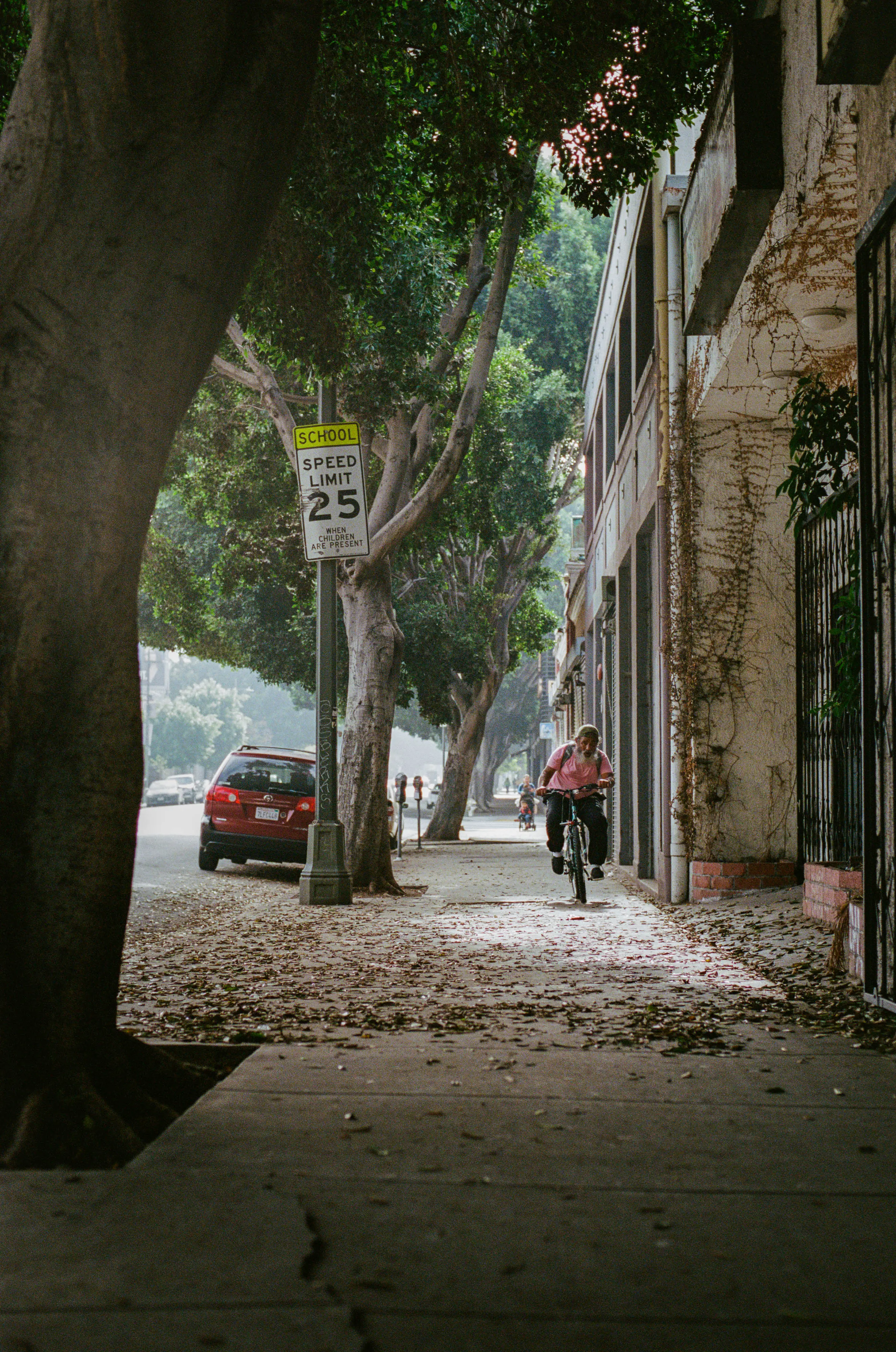
NC: Almost 180,000 households in the city of Los Angeles don't have a car. That's a huge number of people already getting around every day without one, but they don’t have the right infrastructure to make that as safe or as comfortable as it should be. Just walking Pico today, how many times have we gotten a honk or an “excuse me” from a scooter or bicyclist trying to get by on a 10-foot sidewalk because they don’t have a designated space to ride safely?
CR: Los Angeles is a region of neighborhoods. People are connected to their little micro-neighborhood, but they need to get around to other neighborhoods, too. These neighborhoods are all stitched together by these huge corridors, like Pico. So the corridors end up being a way to get from place to place and also a reflection of the communities they run through. They end up serving local mobility needs, like walking and biking, and connective mobility needs, like transit and driving. Designing a street for more than cars helps the corridor serve both purposes: connecting people to their own community and to the other communities they need to access.
NC: And look at what's happening on the sidewalk: kids, street vendors, ice cream vendors, local businesses. All this activity is squished onto the periphery, next to four lanes of traffic. That's the classic street, not just in L.A. but across the U.S. It's really nice that we're finally bringing the allocation of space into closer alignment with the local uses and community activity.
Chelsea and I are both multimodal. We take transit, we walk, we bike—but we also drive, and I intend to keep driving. Cars can be a great choice when they unlock something previously inaccessible to you, like the mountains or the beach. But ask the everyday Angeleno if they like driving, and most of them say no because commutes are miserable and driving feels like their only option. If you want to drive, great. But if you want to bike or walk or take transit, you should have that option, too. That's the key to transportation happiness: having safe and comfortable options.


What brings this infrastructure to life?
CR: On the bus, on the train, biking, and walking, your pace is slower, and you have the chance to observe more of what's around you. When I go through different neighborhoods, I notice smells: This is the block where I always smell this meal cooking, or this is the block with those beautiful flowers. You don't notice those parts of your community if you’re in a car—the parts that together make up how it's alive. And if you're a people watcher, you should be riding transit. It's a microcosm of the most interesting, human, sometimes bizarre interactions and relationships, and they all happen in the span of a bus ride.
NC: And in a car, you don't get to participate. You don't get to have someone hold the train door open for you or give up your seat for someone who needs it. There's so much talk, especially in the U.S., about how we're more and more isolated. Whether it's transit, walking, or biking, even the little nod you give the person biking past you, it all contributes to feeling more connected to your city and your neighbors. These options make it more pleasant to live anywhere, but especially in a city like Los Angeles that can feel so dauntingly large.


How does creativity inform transportation design?
NC: We think of creativity and imagination as big things only accessible to children and artists. But it takes so much creativity and suspension of disbelief to navigate the processes and bureaucracy of a large city to get these projects done, particularly on a compressed timeline like the Pico project has had. Part of that creativity is a level of collaboration that is honestly unprecedented in my tenure working in Los Angeles and across the state. Although the project has been considered for a while, the extensive planning and design for Pico really just started last year, and it's already going to be implemented next year.
CR: On the imagination side, it takes an imaginative leap to ask people to picture Pico differently and really to imagine that any street could look different than it currently looks. The distribution of space doesn't always have to look like this. It wasn't always like this.
Is Pico a glance at L.A.’s future?
NC: It's hard to look at one project like Pico and say, This one is going to move the needle, or, That specific bikeway is going to change hearts and minds. But what we forget is that there's an extensive planning process behind it, linking many smaller-scale projects across many neighborhoods. Pico will be supported by the Koreatown to Pico-Union Neighborhood Connect project, a neighborhood bikeway connecting Pico up to Koreatown. It will be paired with an extension of the Venice Boulevard bike and bus lanes up to Pico, so you could bike from downtown to the beach. All of these are on a timeline of just a couple of years, and they work in tandem. It doesn't stand alone.
CR: These projects get built one by one, maybe a few at a time, so it can feel piecemeal. But it's piecemeal in service of a whole vision of connecting people and communities and offering ways of getting around that feel safer and more comfortable. These projects help address health crises like traffic violence and heat exposure that thousands of people already face. And they give people the chance to get around with a smile on their face instead of thinking, Oh, I have to fight for parking again.

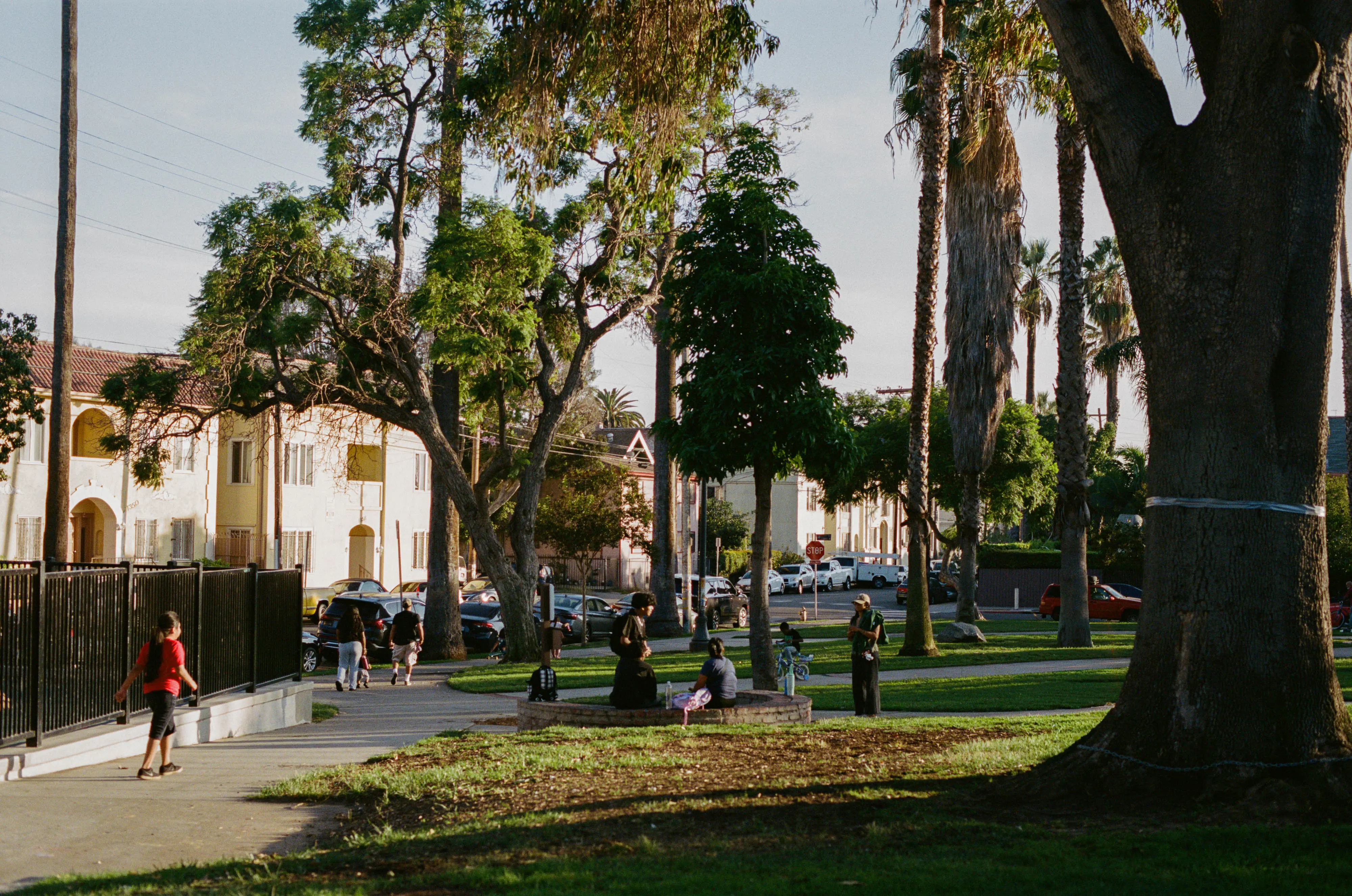
There's a program called Safe Routes to School. Some research suggests that kids may learn better if they aren’t stressed out when they show up at school. Imagine a joyful little walk or scoot to school where you get to see some ducks versus fighting through the drop-off line with a stressed-out parent. It shifts the whole energy of how people move through their day—for both parents and kids.
Thinking about the future of L.A., there’s also the question of how we can make it better for the people who live here now as their mobility needs change. Preserving the ability to move around in active ways and get around independently is such an important part of aging in place. It reduces isolation. It keeps people engaged, sharp, socially connected, and happier. I think about my aunts and uncles who still walk and bike in their seventies and eighties. They can drive, but they prefer not to, and in some cases have had to move to new communities to make sure they can access what they need by walking and biking.
That’s a real motivation for me in thinking about the future of L.A. People are already aging in place here today, and we could be accommodating that in a way that really increases happier longevity for Angelenos.
NC: The city is working on a bike lane on Sunset through Hollywood, Silver Lake, Echo Park, Chinatown, and into Downtown L.A. I live off of Sunset, and I keep imagining myself biking my kid to school on this comfortable, safe, lovely bike lane. I want more of that: more laughing, being together on bikes and walking, the joy of the wind in your hair.
We invite partners to share this article. To syndicate, please email info@livinginfrastructure.org.

Fact-checking by Sana VenjaraCopy editing by Eleanor RobinsNatalie Chyba is a transportation engineer with Fehr & Peers with a focus on active transportation, transit, and multimodal safety. She has helped cities and agencies across California move from planning complete streets projects to getting them in the ground. She brings national expertise through her role as chair of the ITE Complete Streets Council and as the leader of Fehr & Peers' companywide Complete Streets Design practice area. She was born and raised in Los Angeles and roots her work in her everyday experiences as a walker, biker, and bus rider throughout the city. All views are her own.Chelsea Richer is a transportation planner with Fehr & Peers. She focuses on transportation systems that help reduce and respond to climate impacts. She is also involved in gender-responsive transit planning, loves a deep dive into data and a well-designed map, and can’t help but take photos of bike lanes, sidewalks, and buses when she travels. She serves on the board of the California Planning Foundation, and she lives, works, rides a bike, and drinks coffee in Los Angeles. All views are her own.Andrea González Mereles is a Mexican photographer and cinematographer. With over 10 years of experience, her true interest lies in the art of telling stories. Her still photography explores the passage of time and the female and immigrant experiences. Her work has been featured in Rolling Stone and in campaigns for Buchanan’s. Her films have been screened at the Vienna, Zurich, and Guadalajara international film festivals, among others. Andrea’s directorial debut short film, Paul’s Portrait, which she also shot, screened at Slamdance, Mountainfilm, and the Fargo Film Festival. Andrea is based between Los Angeles and Mexico City.Krystina Christiansen is a filmmaker and writer working across documentary, narrative, digital, and branded media. Say hello at krystinachristiansen.com.