Reclaiming Water’s Transformative Potential for South LA
Dr. Zoe Cunliffe and Tianna Shaw-Wakeman serve as manager and director, respectively, of the environmental justice program at Black Women for Wellness, a reproductive justice organization serving the needs of Black women and girls in South L.A.
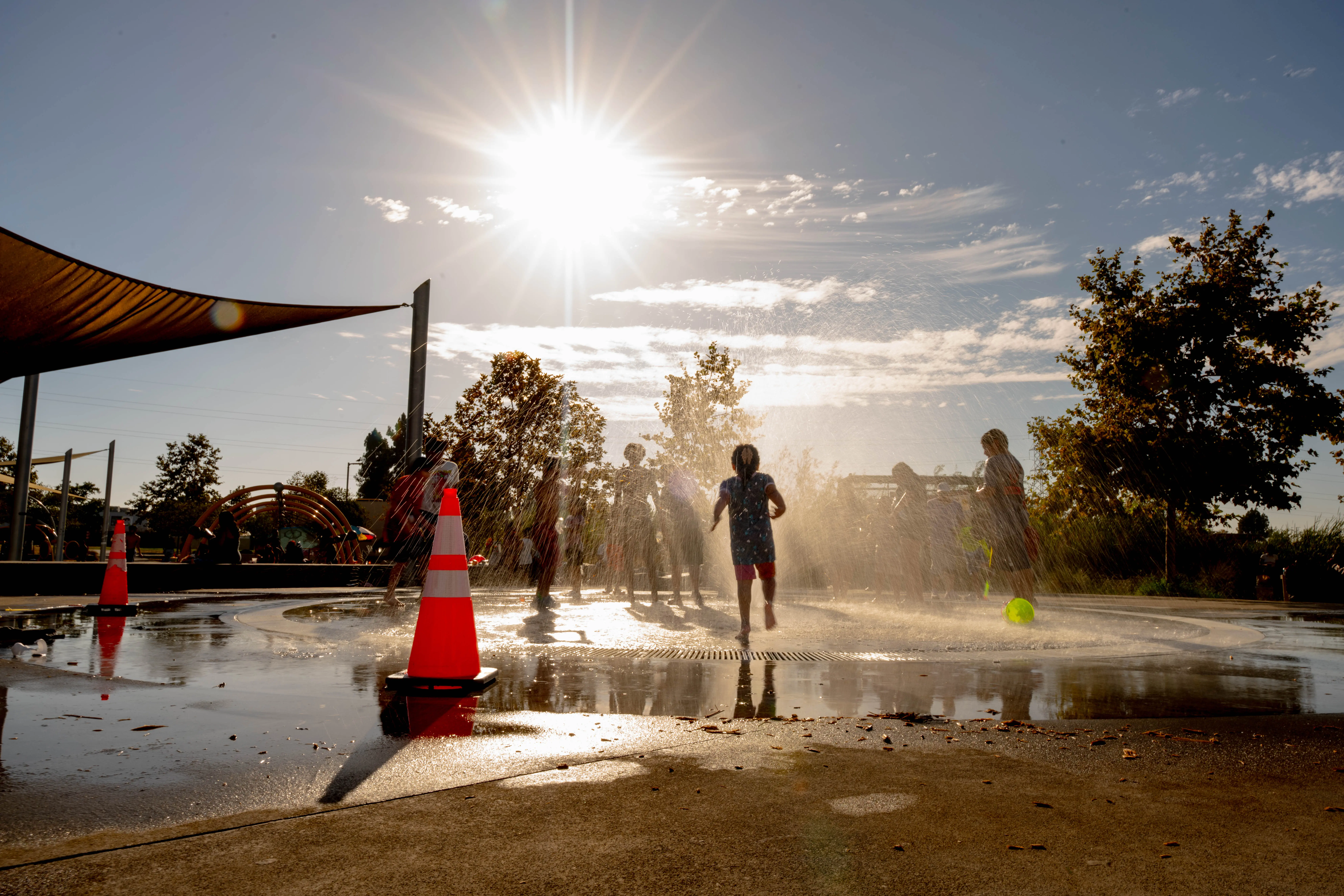
L.A. County captured enough rainwater this past rainy season to meet 3 million people’s annual needs, a tenfold increase on the previous year. Angelenos are rekindling our relationship with water for the better, but we have decades of harm to repair among Black families in South L.A.
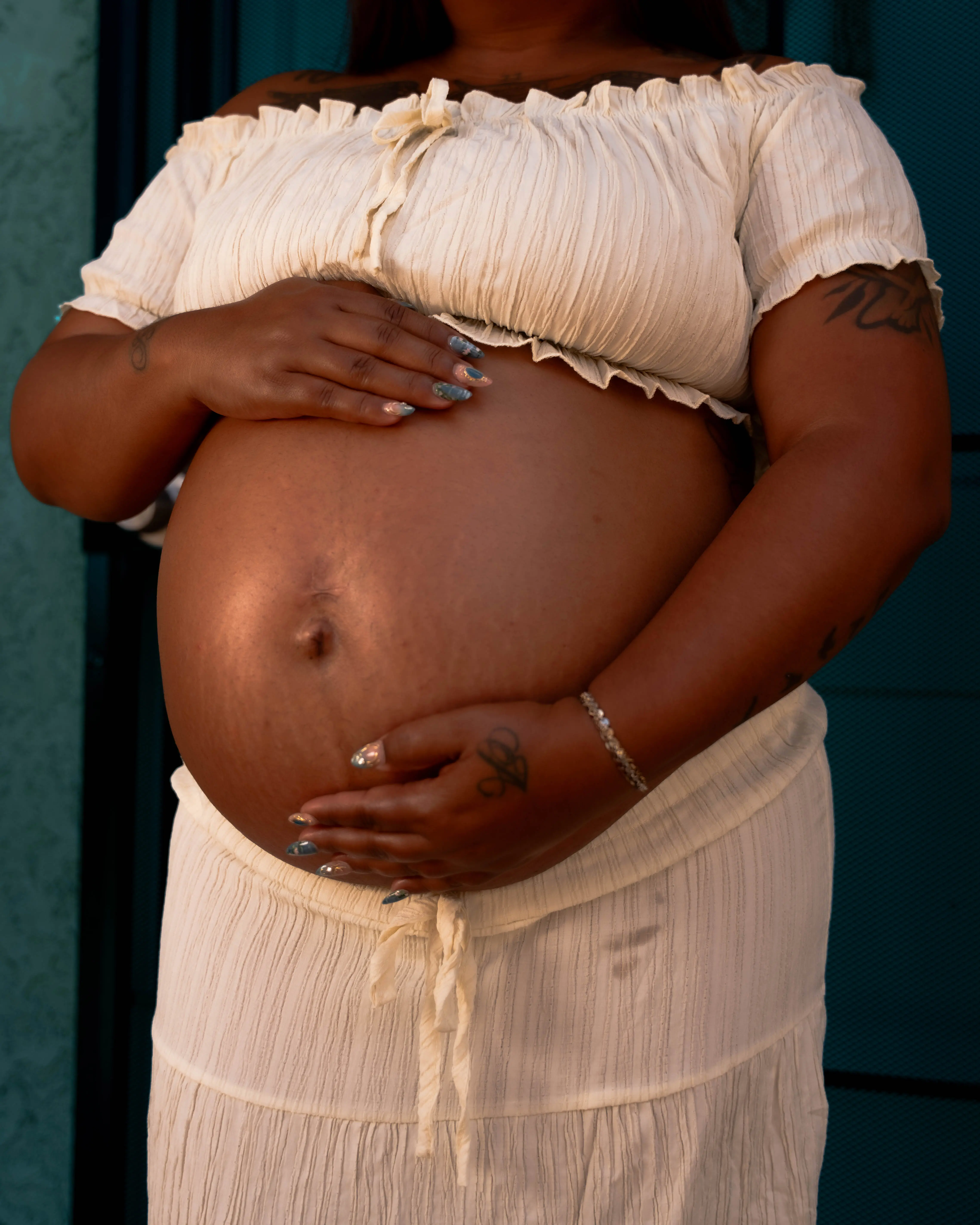
At Black Women for Wellness (BWW), we recognize that the remedy starts with empowerment. For years, we’ve been saying that water is a human right, especially for pregnant people and infants. Water is a life force, but many of our neighbors have historically been denied access to clean and healthy water. Reproductive justice, as defined by the multi-ethnic collective SisterSong, asserts the right of all birthing people to bodily autonomy, to choose whether to have a child, and to raise children in safe and healthy conditions. Lack of access to clean and healthy water violates all of these rights. That’s why we recently released an updated edition of “A Drinking Water Guide for South Los Angeles,” a resource that gives language to our community’s experiences around water and empowers them with tools to help them advocate to their local representatives, test their drinking water, choose filters, and more.

Increased investment in South L.A.’s built environment has the potential to improve our water and harness its power to enrich our lives. Planting trees, introducing native plants, and greening South L.A.’s concrete landscape will allow the living world to clean contaminants from our rainwater and store that rainwater for future use while also cooling our streets and making them more livable. However, the first step in unlocking this potential is addressing past harms.
A history of disinvestment and pollution
Black families first settled in South L.A. in the 1920s because redlining and other racist covenants prevented them from owning homes in other parts of the city. In the decades that followed, polluting industries were consistently sited in South L.A. neighborhoods, and major freeways such as the I-110 and I-10 were built in politically disenfranchised Black and Brown communities. This has resulted in long-standing air pollution and water contamination, which have had long-term public health consequences with residents of South L.A. suffering disproportionate rates of asthma, heart disease, and reproductive harm.
These discriminatory zoning practices have also resulted in a lack of investment in trees and vegetation in South L.A. Yet in 2012, the city removed 400 old-growth trees—including pines and magnolias—to make way for the NASA space shuttle Endeavour. Trees and native plants help to slow down, decontaminate, and store rainwater, which helps keep harmful pollutants out of urban groundwater. We have spoken with numerous Black Angelenos who decry the loss of these trees. Their removal not only harmed residents’ health but also constituted a loss of legacy and history.
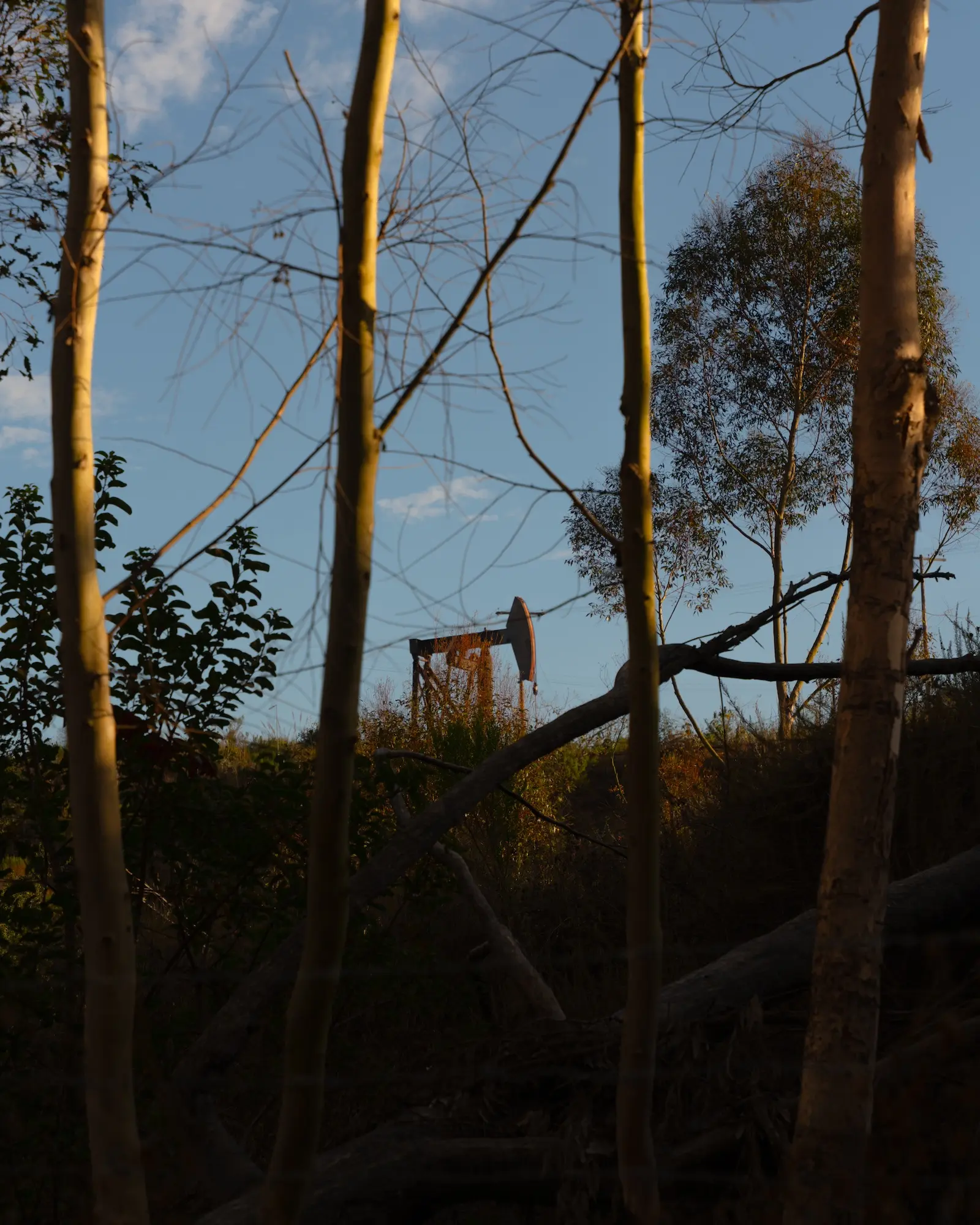
Then there are the cumulative environmental burdens Black families face from legacy pollution, ongoing industrial activity, and local negligence. In 2018, the Sativa Water District in Compton disbanded after supplying putrid water to local residents for decades. The water had been found to contain manganese, a metal that occurs naturally in local groundwater and can harm the brain in high concentrations. People’s taps ran brown. About three years later, a major pipeline spill occurred at the Inglewood Oil Field, the country’s largest urban oil field, which carries out its highly polluting activities close to the parks, schools, and homes of more than 1 million people. The community has also had to evacuate because of methane leaks. Most recently, in 2024, researchers found toxic lead levels in the drinking water of Watts, a historically Black neighborhood home to roughly 40,000 people.
When we speak with residents of South L.A., they consistently share worries about their air, water, and soil. These are basic necessities of life. Black Angelenos want and deserve more.

Transforming water from a source of anxiety to a solution
Stories like these explain why many Black communities distrust their tap water. In our local canvassing efforts between 2022 and 2026, the vast majority of the 1,000+ households that spoke with us reported not trusting their tap water and relying on bottled water instead. Residents recognize that water offers an opportunity for transformation, but owing to past and present disparities, they’re not sure whether the investment they need to improve water infrastructure can come from the same system that caused the harm in the first place.
Here in L.A., we have abundance, but we need to adapt our built environment so that it is in sync with the life around us. Integrating organic features into our urban landscapes allows cities to mimic natural processes and helps us move toward a more sustainable water future.

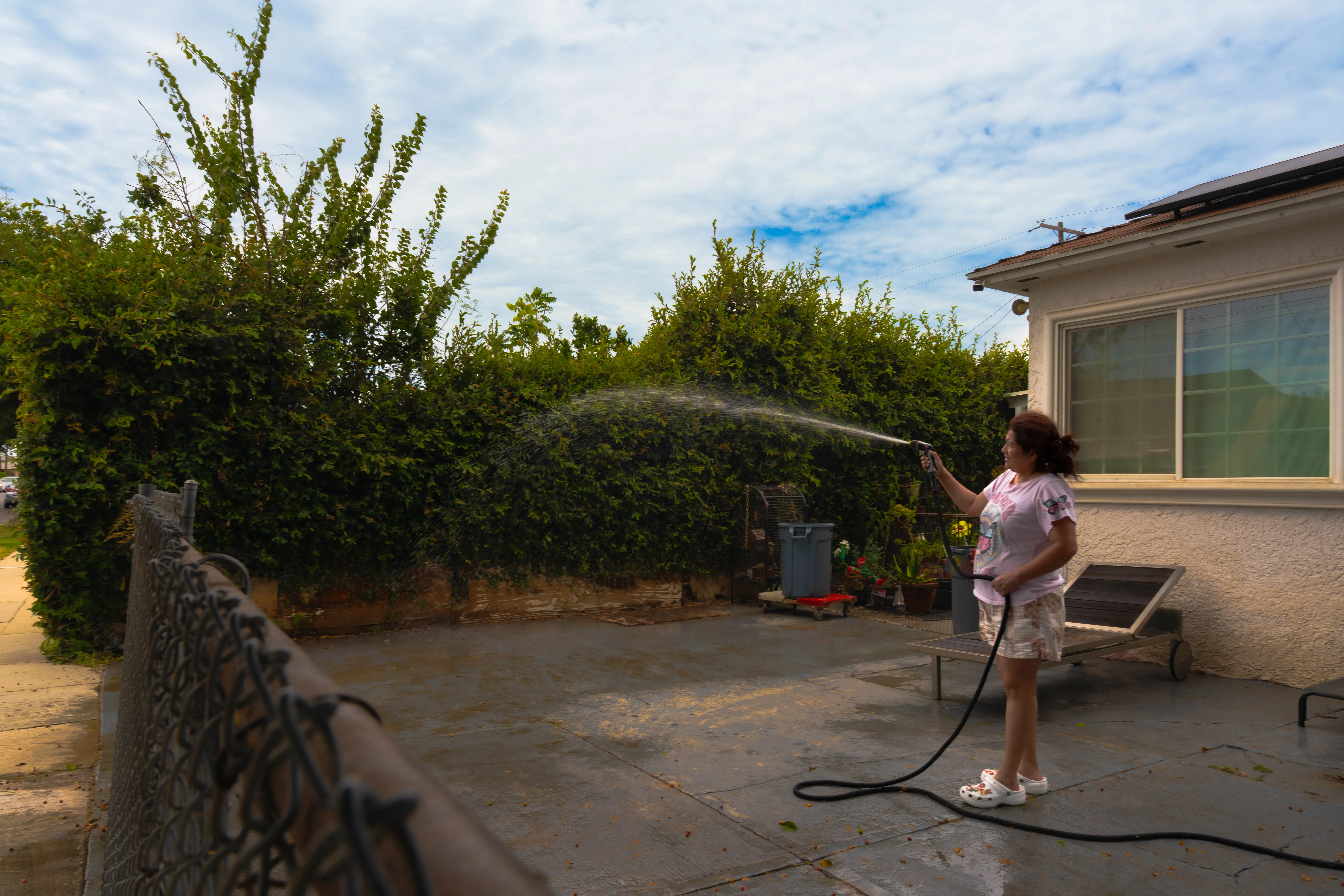
However, this transformation can’t happen until we shift the local narrative around water to celebrate its interconnectedness.
In a 2024 survey BWW conducted with 324 Black residents of South L.A., nearly all respondents indicated support for increased investment in local water infrastructure. They expressed particular enthusiasm about improving drinking-water quality, increasing water conservation, and creating more green space. So while Black Angelenos experience considerable water disparities, they are already dreaming about a better water future.
At numerous BWW events over the past year, community members have watched “Think Differently About Water,” a three-minute video from Accelerate Resilience L.A. (ARLA) that explains how the city could harness its stormwater. Afterward, residents participated in conversations envisioning water solutions for South L.A. Many community members were excited about small—but impactful—changes like adding plants to the edges of parking lots. They understand the layered benefits of adding more flora. More flowers and shrubs don’t just make their blocks look nicer; they also make their drinking water cleaner and neighborhoods cooler. Many residents have deep roots in South L.A., so they know exactly which streets could benefit from such transformations.
At the end of last year, at two workshops we held to provide water education to young people, middle- and high-schoolers expressed frustration about the lack of greenery and free-flowing water in their area. A recent ARLA and Hyphae Design Laboratory report shows that L.A. County has 488 square miles of pavement and averages only 21 percent tree-canopy coverage with some areas of South L.A. falling as low as 5 percent. Students had myriad suggestions about ways to improve these numbers and the overall health of their communities: What if we removed that pavement to connect water with the soil? What if we kept collecting rainwater to cover more than this year’s 3 million residents? What if we provided every resident—renter or homeowner—with access to clean drinking water, so they could stop buying bottled water full of nanoplastics?

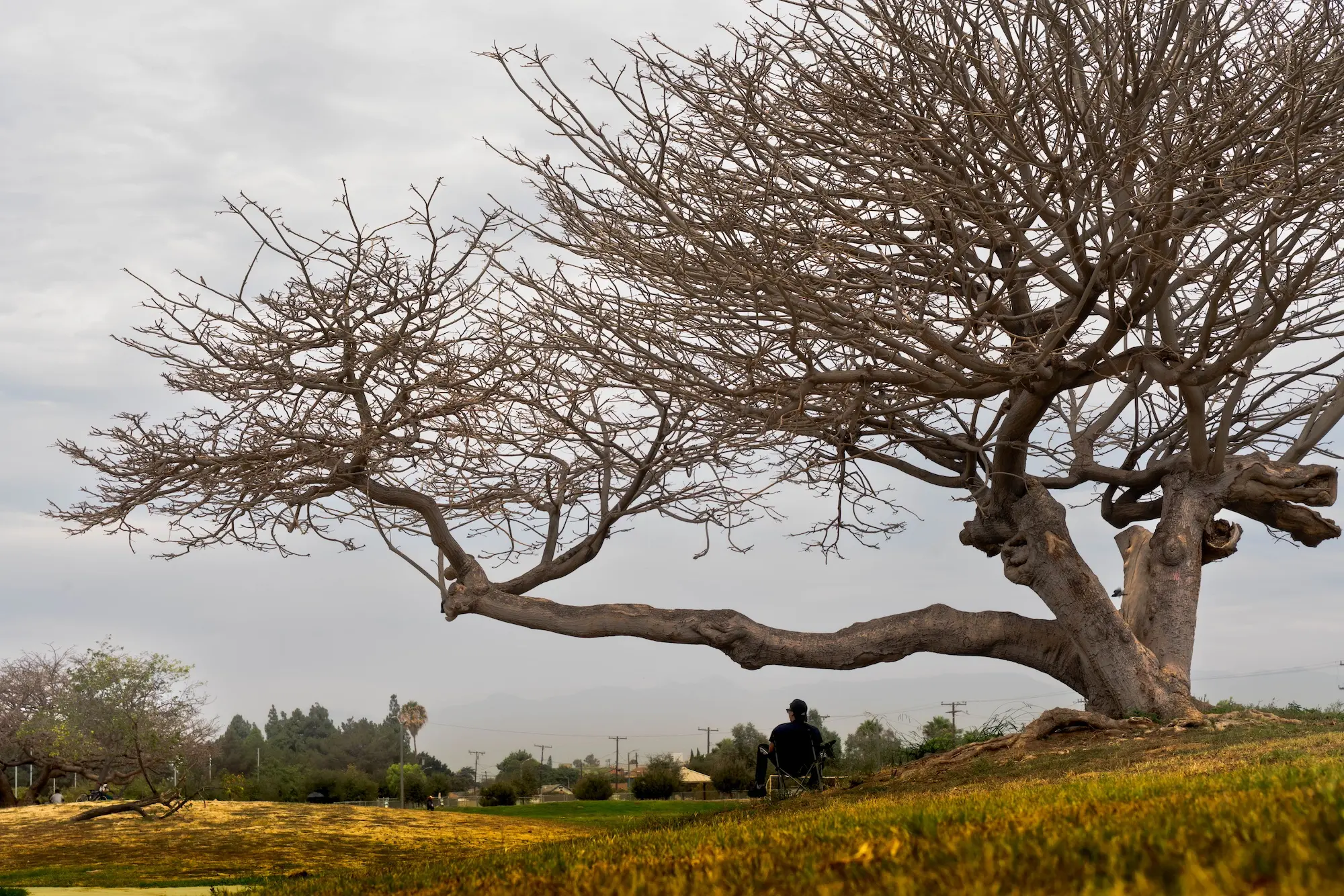
Water sustains all life. Around 70 percent of our planet’s surface is covered by water, and this life force makes up some 60 percent of our bodies. Reviving South L.A.’s ancestral flows by filtering rainwater and groundwater through lush, green landscapes can make our drinking water cleaner and reaffirm our connection to the land and waterways where we live. Black Angelenos must be involved in this renewal—and they want to be. Our community’s ideas and insights are key to a more equitable water future for all of South L.A.
We invite partners to share this article. To syndicate, please email info@livinginfrastructure.org.

Fact-checking by Irene BantigueCopy editing by Eleanor RobinsDr. Zoe Cunliffe serves as the environmental justice program manager at Black Women for Wellness, where she works to address the disproportionate health burdens Black women and girls face from pollution and toxic chemicals in South L.A. She holds a Ph.D. in philosophy that specialized in feminism and social justice and has published her research in four publications and presented at 16 conferences. She has been working to elevate the voices of women and people of color for many years, teaching incarcerated women in prisons, participating in programs serving high schoolers at under-resourced schools, and volunteering as a literacy tutor for adults with the Los Angeles Public Library.Tianna Shaw-Wakeman serves as the environmental justice program director at Black Women for Wellness and is an environmental and racial justice activist working to address the reality that Black people are overexposed to and underprotected from toxic pollution in their built environment. She holds a bachelor’s in psychology and a master’s in social entrepreneurship from the University of Southern California, where she graduated as the first Black valedictorian. She has previously served on the Mayor’s Youth Council for Climate Action, was nominated to the L.A. City Climate Emergency Mobilization Commission, and was a board member for the L.A. League of Conservation Voters.Kalos X is a multidisciplinary creative producer, director, and fine art photographer with a special focus on human connection within the BIPOC community. Kalos’s art lives at the intersection of image, identity, and music. In international campaigns and humanitarian statement pieces, Kalos weaves intention and artistry into every frame. As a Nigerian and Mexican nonbinary creator, they approach visual storytelling with a deep well of empathy and intrinsic nuance.