What Water Remembers
Nīa MacKnight is an Ojibwe/Lakota/Scottish photographer and educator based out of Tovaangar (Los Angeles, California).Alisa Petrosova is an interdisciplinary artist and strategic narratives director at Spherical.
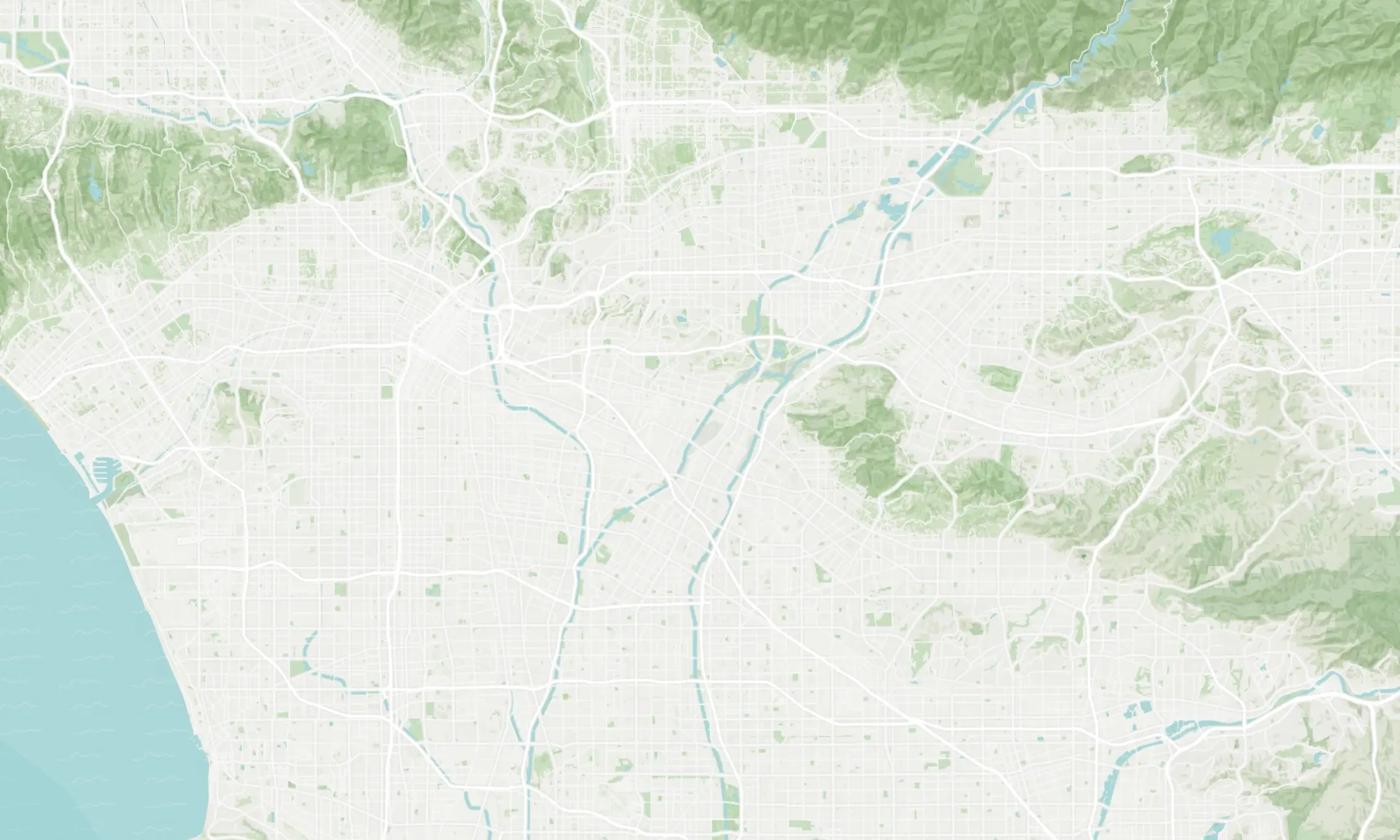
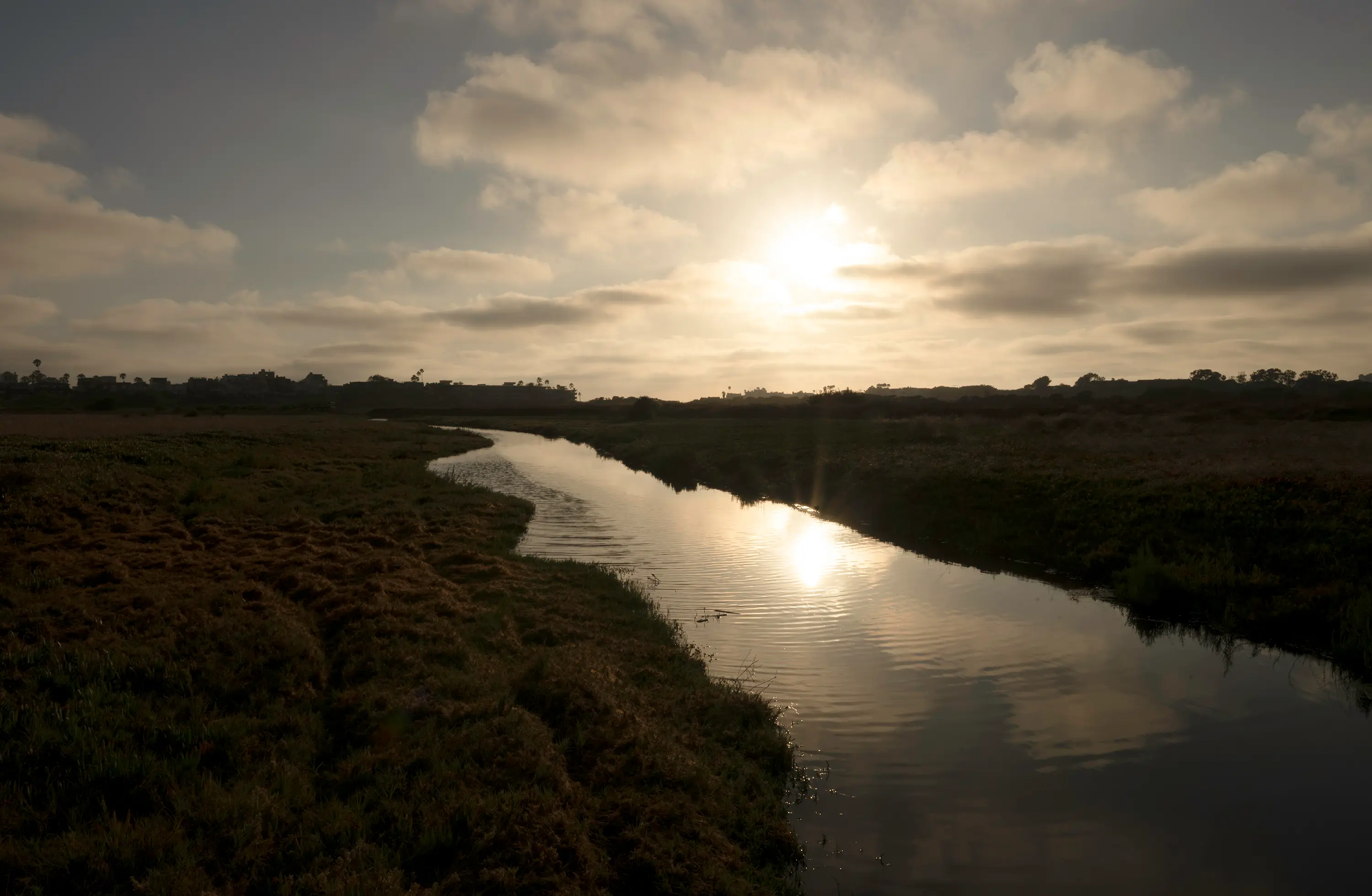
Nīa MacKnight has spent most of her life close to bodies of water. The Dominguez Channel, now just a few minutes from her home in Torrance, cuts through some of the most industrial stretches of the city. This infrastructure keeps people farther from the river than they are in the quickly gentrifying Atwater Village or Los Feliz, where joggers and dog walkers have made the water part of daily life. Closer to home, there’s no one walking the banks.
MacKnight is a lifelong Angeleno who comes to this photography work as both a guest and an inheritor, descended from Lakota and Ojibwe water carriers on her maternal side. The title of “water carrier” is both literal and figurative: In many Indigenous communities, women have traditionally carried water home and, in carrying children, also carried life into the world. “Water is a responsibility that’s been carried down for many generations,” she says.
She recognizes that her relationship to local waterways differs from that of the land’s original caretakers—including the Tongva, Kizh, Tataviam, Serrano, and Chumash peoples—whose descendants continue to steward these lands and waters and whose communities continue to assert sovereignty and pursue recognition, cultural protection, and self-determination.
“Restoring that relationship to Indigenous people—that is how everyone will benefit from this space,” she says.
And restoring water goes hand in hand with tribal sovereignty. Water can heal—it is life—even if the waterways in Los Angeles are struggling to thrive in some places. Its potential is still there, MacKnight says. “I do believe in our direction toward restoring the space for everyone, and thinking about that collective identity—that is going to be really healing, beyond just my own world, but for younger generations, in particular.”
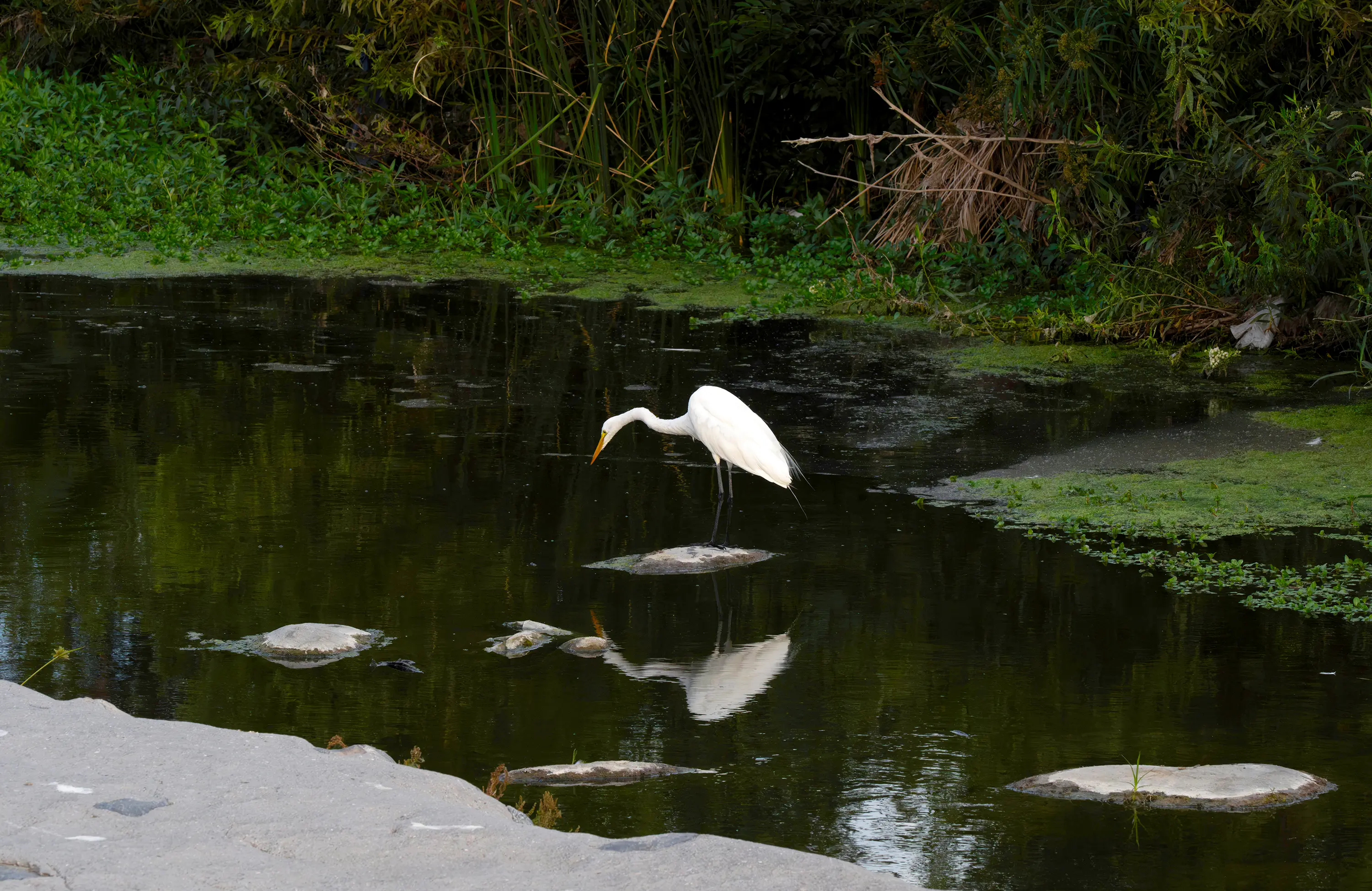
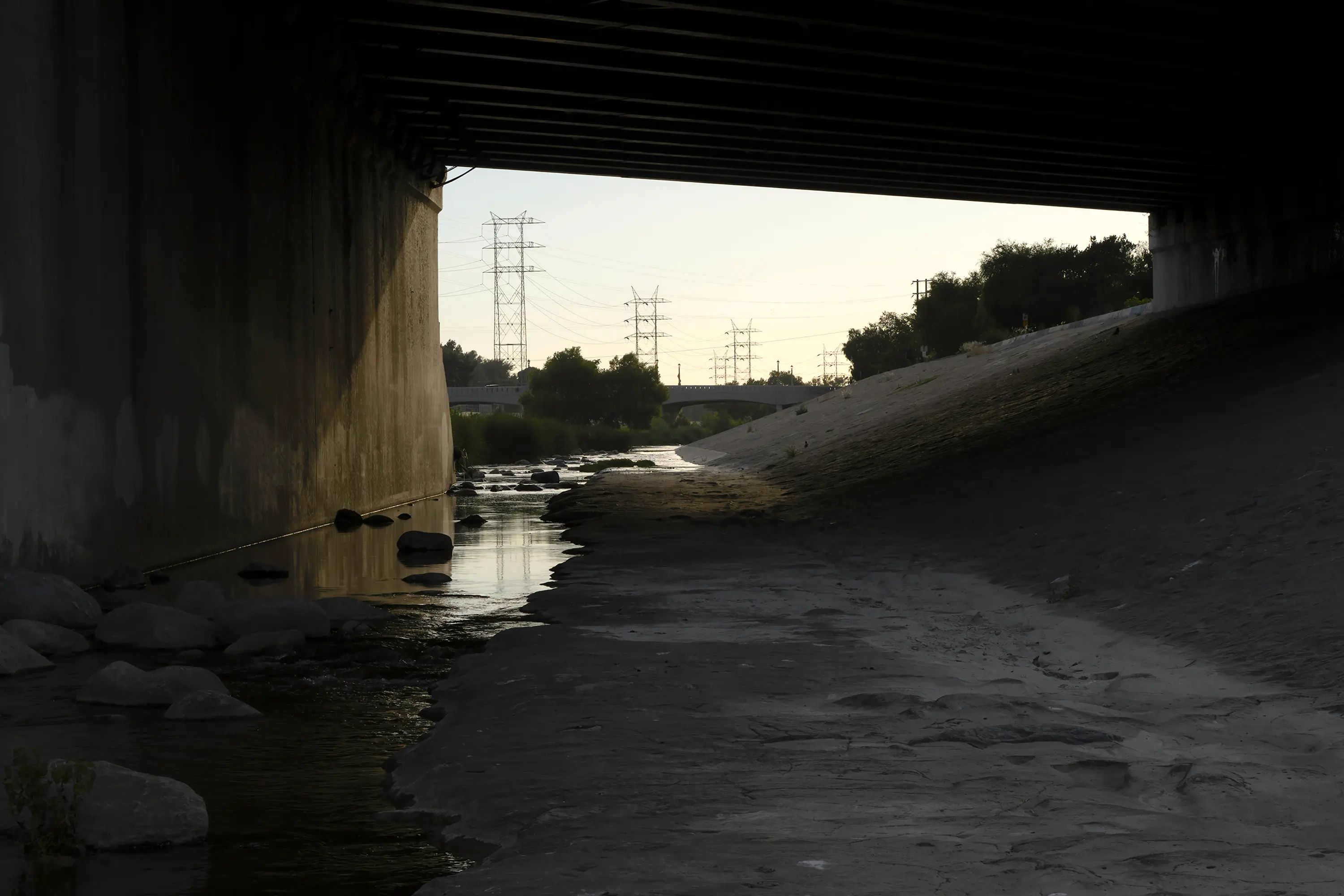
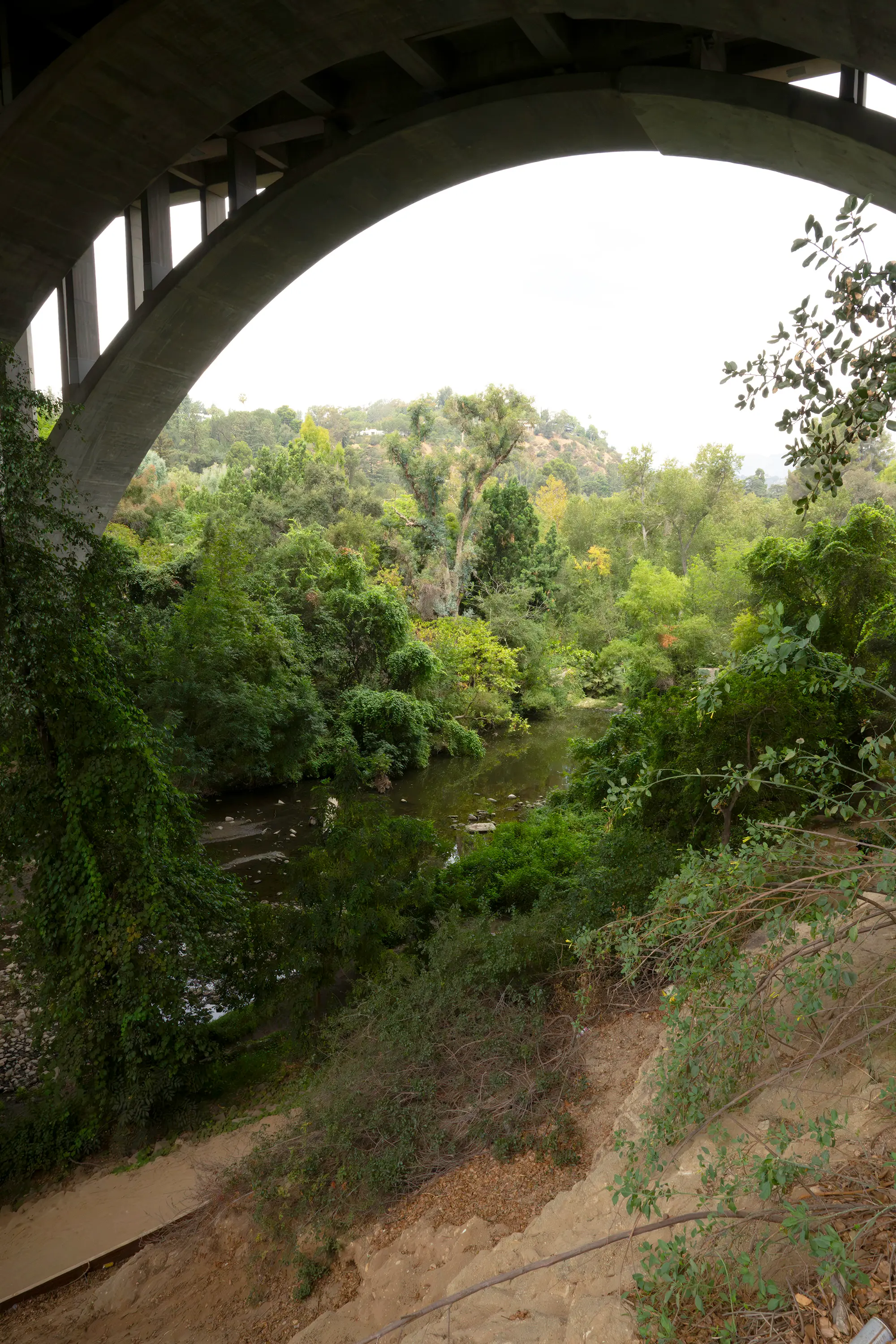
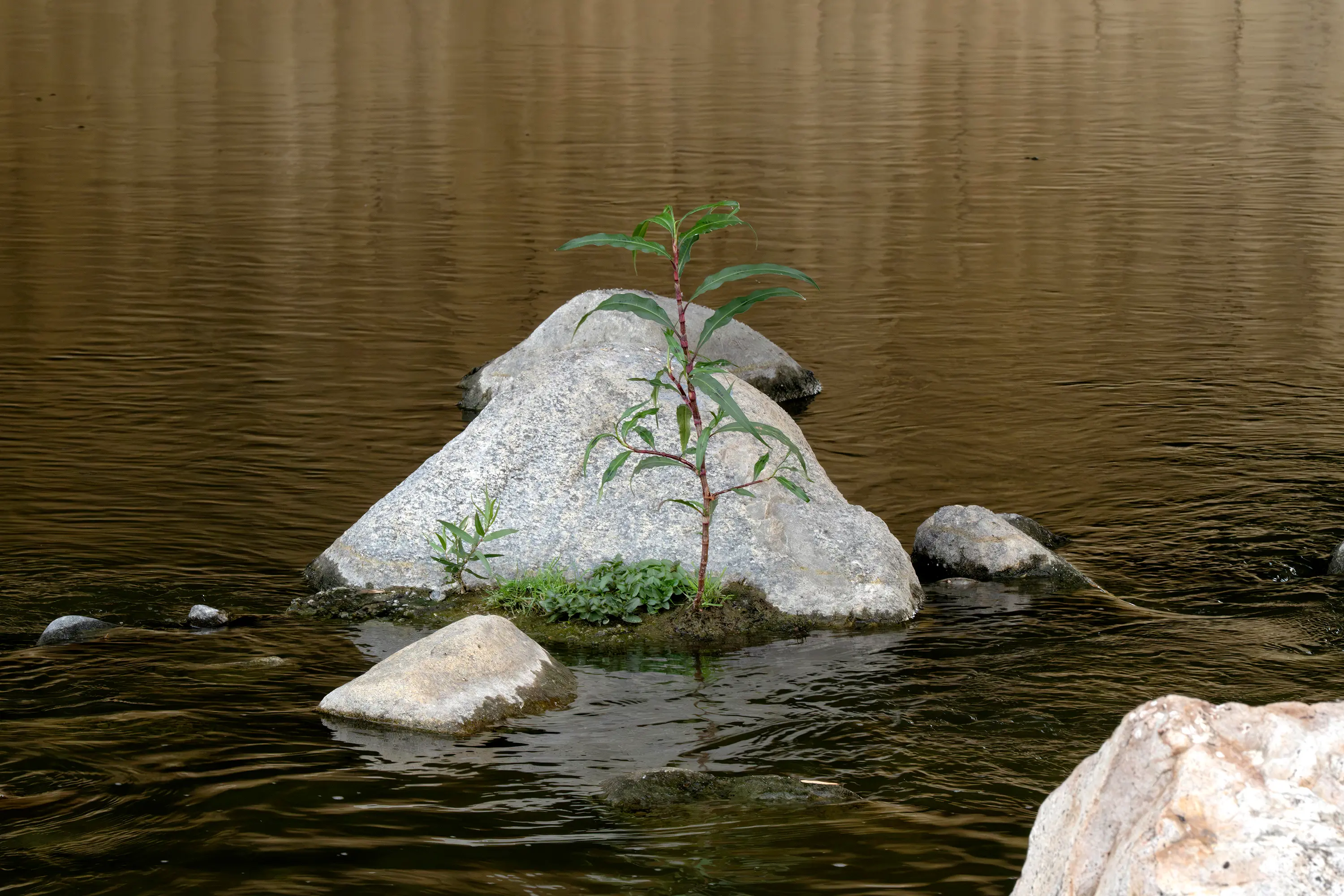
In stretches of the L.A. River like the Elysian Valley and Glendale, the river flows on clay and rock beds, allowing for birds, willows, and other native and non-native species to return or find root for the first time. “There’s actually something that’s seeping through these cracks,” she says. “There’s grit; there’s life here.”
That grit is part of the river’s own infrastructure. Traditional infrastructure can be thought of as something to build: new systems designed to shape, contain, or move through a place. Living infrastructure invites a different relationship—one that begins by recognizing what is already there. Sometimes it means slowing down, noticing what the land already knew how to do before anyone paved over it, and giving it room again.
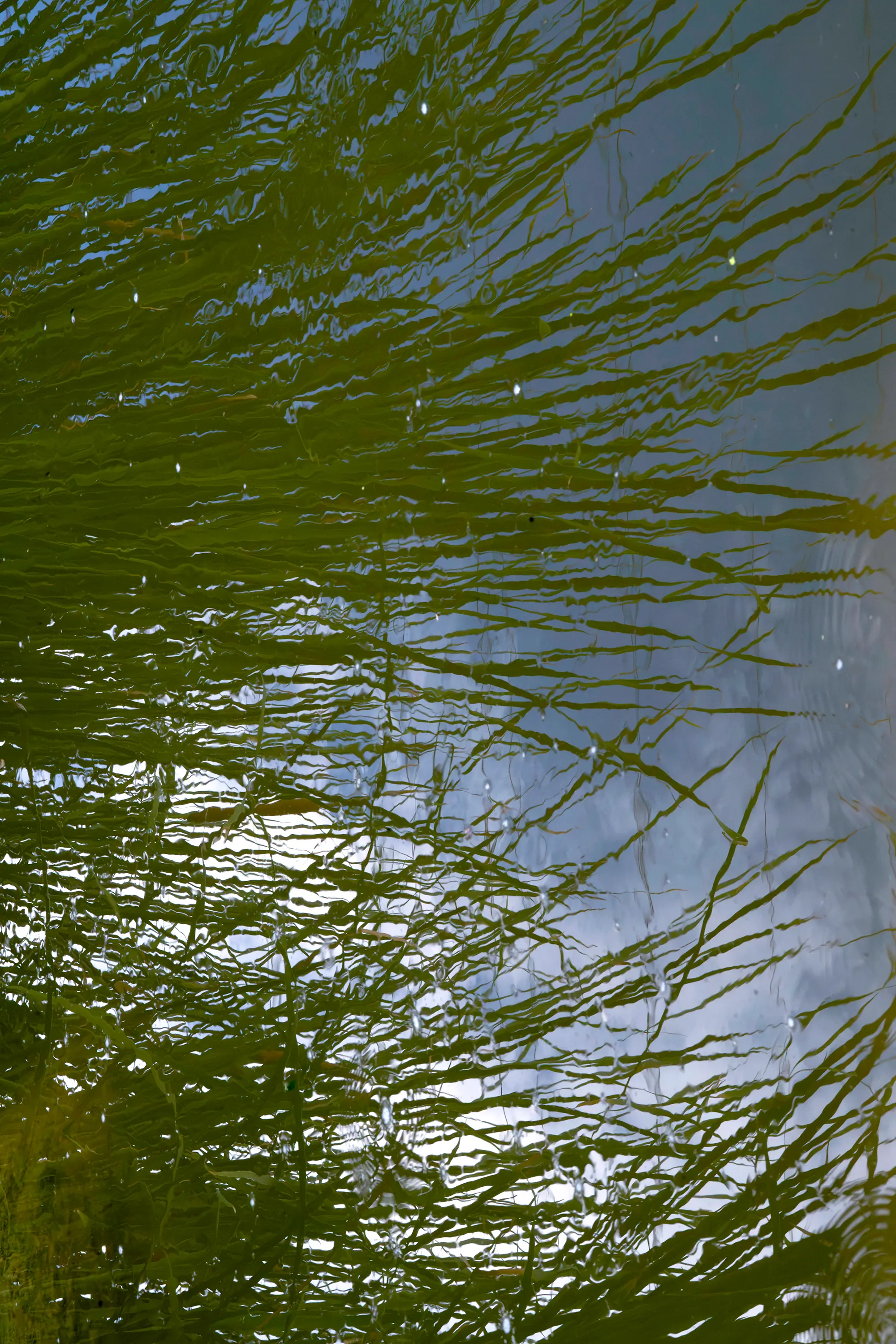
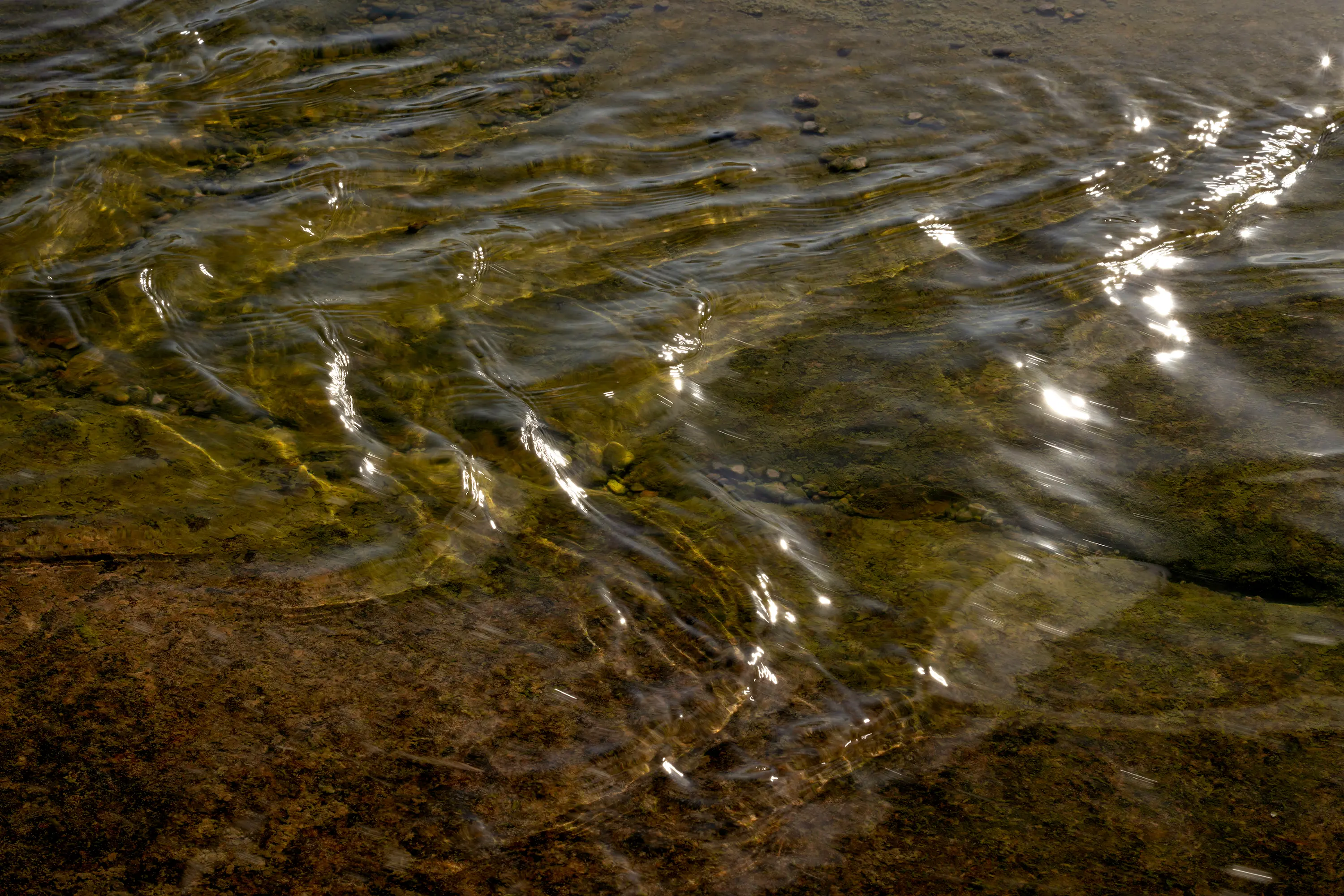
“Memory moves like water,” MacKnight says. “It is very fluid. It can’t be contained. It’s unpredictable.” The L.A. River’s memory is part of its living infrastructure.
Years ago, Indigenous community organizer Sheridan Noelani Enomoto told MacKnight she’d heard stories from local Indigenous folks growing up in Inglewood that salmon used to run through the L.A. River. “That really was a catalyst for reimagining the space, for reclamation,” MacKnight says. “It’s always been in the back of my head.” It feels like a memory the river is still holding: The salmon have not been forgotten.
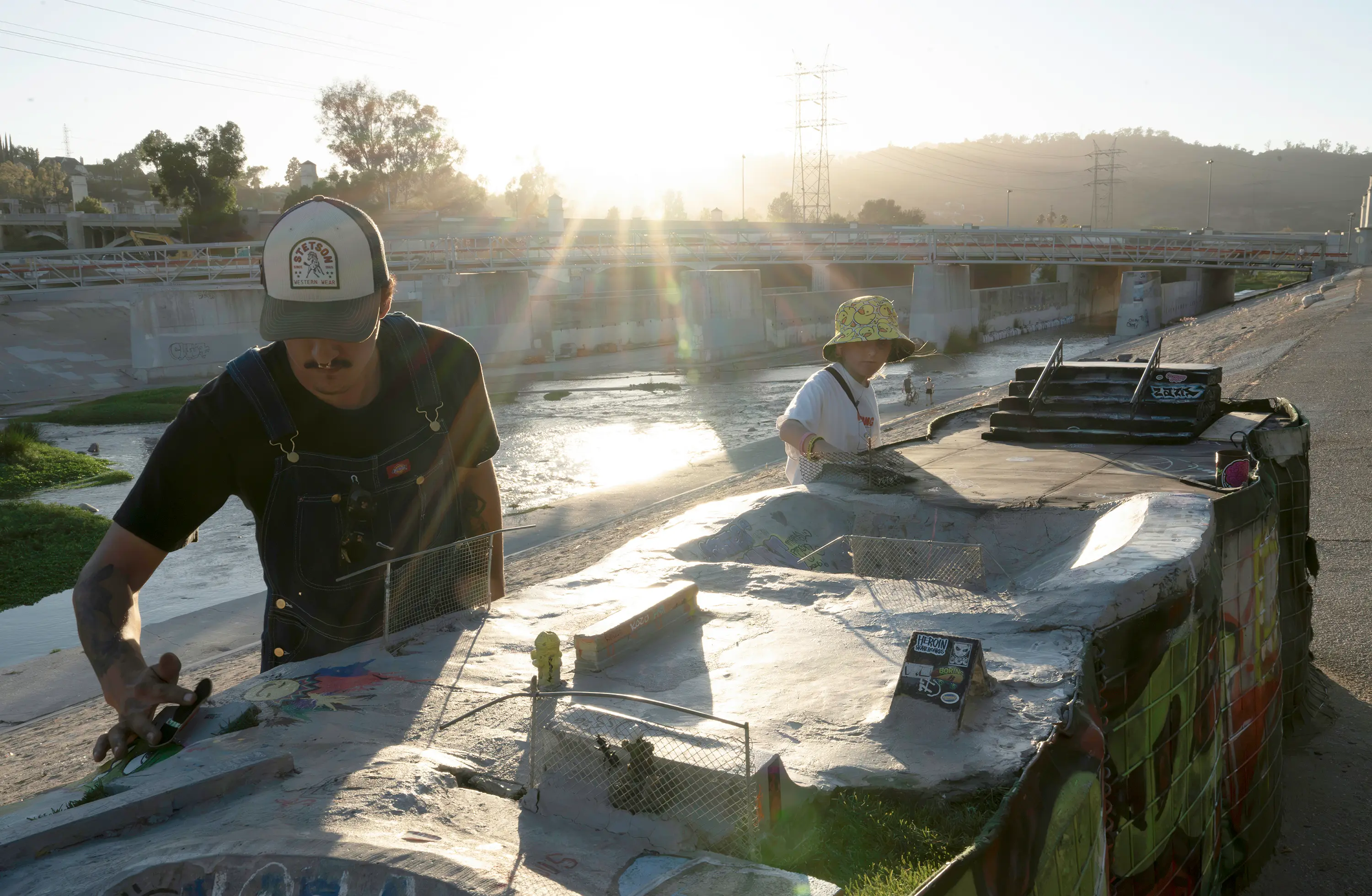
“When we restore that relationship with the natural world,” she says, “there’s this fluid, cyclical understanding of where we are. Despite all the industrialization, despite the privatization, water is still moving. That’s where our collective memory lies too. So many people meeting in this space, carrying us to the next place.”
For this photo essay, MacKnight spent a few weeks following that memory across Los Angeles.







We invite partners to share this article. To syndicate, please email info@livinginfrastructure.org.

Fact-checking by Sana VenjaraCopy editing by Eleanor RobinsNīa MacKnight is an Ojibwe/Lakota/Scottish photographer based out of Tovaangar (Los Angeles, California). Her lens explores the poetics of migration and self-determination within urban modes of existence.Alisa Petrosova is an interdisciplinary artist, writer, and narrative strategist working at the climate-culture intersection. She’s the strategic narratives director at Spherical, where she works on place-based storytelling, campaigns, and experiences. She holds a master’s in climate and society from Columbia University’s Climate School and a bachelor’s in fine art from Cooper Union.